Healthcare delivery experiences transformation through robotic technology which improves both surgical operations and diagnostic examination and patient care services. Medical technologies based on AI and robotics create efficient health systems that enable broad opportunities to treat patients. Despite these challenges, healthcare robotics exists with difficulties related to cost along with ethical issues along with cybersecurity threats. This piece studies both the limitations and advantages which direct healthcare robotics into its forthcoming state.

Introduction:
The healthcare field undergoes fundamental changes through robotic technology which identifies medical operations and hospital care methods and treatment approaches for patients. Modern healthcare utilizations of robots together with AI diagnostic systems produce advanced medical precision through efficient operations which now extend medical access to everyone. Necessary challenges exist with any innovation since they include expensive implementations together with ethical policies which need addressing regulatory protocols. Healthcare robotic innovations are examined in this research through a study of their dual prospects and barriers to adoption.
The Rise of Robotics in Healthcare
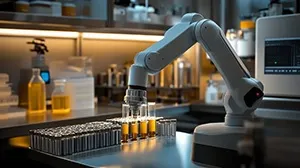
Robotic integration in healthcare operations is active throughout current healthcare systems. Different robotic systems continue to advance healthcare delivery through their impactful installations for improved service delivery.
1. Surgical Robotics
Avoiding invasive procedures became possible because of robotic-assisted surgeries conducted with Da Vinci Surgical System technology. The robots achieve exact delivery in operations and shorten healing periods and lead to fewer medical issues.
2. Rehabilitation Robotics
Exoskeleton devices together with robotic prosthetic devices allow injured people and stroke victims to recover their ability to move. The ReWalk device gives paraplegic patients the ability to walk again thus delivering improved independence and quality of life.
3. Medical Logistics and Automation
A variety of robot systems help hospitals operate drug delivery systems as well as inventory systems as well as automatic patient transfer platforms. The new technologies improve operational efficiency and minimize accidental mistakes in operations.
4. AI-Powered Diagnostic Robots
AI-driven robots like IBM Watson together with Google DeepMind perform extensive medical data analysis which leads to accurate healthcare diagnoses coupled with early disease precaution and individualized treatment preparation.
5. Telepresence and Companion Robots
Robots like Pepper and Paro which function to support elderly health patients through social connection while simultaneously boosting their mental health. Telepresence robots help doctors to conduct remote patient consultations while providing monitoring capabilities.
Opportunities in Robotic Healthcare Innovations
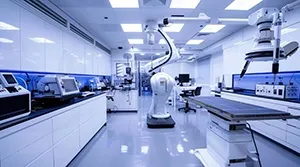
Healthcare robotics shows rapid development which generates multiple opportunities for medical services.
1. Enhanced Precision and Efficiency
The precision skills of robots combined with their error-free capabilities produces superior patient results during surgical procedures. Hospitals benefit from automated systems which optimize hospital operations and cut down their workload and enhance resource management.
2. Improved Accessibility to Healthcare
Telepresence robots as well as AI-driven diagnostics systems use technology to bring quality healthcare solutions to people in underserved areas who have had no medical service options in the past.
3. Cost Reduction in the Long Run
The price of acquiring robotic healthcare systems remains high up front but healthcare organizations experience long-term financial advantages through decreased treatments durations and decreased medical errors along with better resource efficiency.
4. Faster Recovery and Rehabilitation
Robots used in surgical operations enable surgeons to perform procedures through minimal cuts which speeds up patients' recovery times. Automated rehabilitation equipment delivers steady therapy because of which stroke and accident patients achieve quicker recovery outcomes.
5. Reduced Healthcare Worker Fatigue
The rising need for healthcare services becomes manageable because robotic automation conducts repetitive medical operations thereby enabling healthcare professionals to maintain direct patient care.
Challenges in Robotic Healthcare Innovations
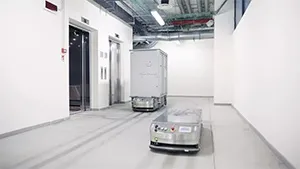
Several obstacles stop widespread robotics adoption because of the technological benefits it has to offer.
1. High Initial Investment and Maintenance Costs
Healthcare institutions that lack substantial funding cannot afford robotic systems since these systems demand expensive investments. Operational costs increase due to standard maintenance requirements and the requirement of continued software update implementation.
2. Ethical and Legal Concerns
The medical establishment needs to determine who must take responsibility during robotic-assisted surgery unless it operates as intended. AI decision-making during critical healthcare operations requires established guidelines and rules to address the ethical problems present.
3. Resistance to Adoption
The reluctance of healthcare professionals to accept robotic systems stems from their concerns about job loss and absentee human presence in patient interactions during care. The efficient use of medical technologies by healthcare staff represents a new challenge in the healthcare sector.
4. Cybersecurity Risks
The data-driven use of AI makes robotic systems susceptible to cyber-attacks which represent a threat to their operation. Both patient record exposure and robotic function control fall under the risks of healthcare robotics security breaches.
5. Regulatory and Approval Complexities
The FDA together with EMA maintain strict regulations for robotic medical device approvals through their regulatory paths. The extended authorities' approval phases create obstacles for broad implementation of these technological systems.
Case Study: Robotic Surgery in Action
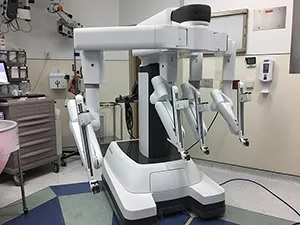
Robotics have been extremely successful with the innovation of the Da Vinci Surgical System as a remarkable achievement in robotic-assisted healthcare.
This robotic system functions worldwide to enable surgeons to conduct difficult surgical procedures with better precision. Medical research establishes that robotic surgery patients spend shorter durations in hospitals and encounter reduced infection rates and achieve quicker rehabilitation. The high US$2 million system price tag creates an obstacle for clients seeking accessibility to this product.
Future Prospects of Robotics in Healthcare
Healthcare robotics will experience promising growth because new technological developments lead to better future applications.
1. AI-Integrated Robotic Assistants
Artificial intelligence robots equipped to make instant decisions during surgery operations will drive surgical accuracy toward personalized medicine.
2. Autonomous Drug Delivery and Nanobots
Medical robots invented to traverse human bloodstream will transform pharmaceutical administrations by enabling precise drug distributions for chronic condition management especially cancer.
3. Smart Hospitals with AI-Driven Automation
The hospitals of tomorrow will most likely operate automatically due to AI-controlled robots that will undertake administrative functions as well as patient supervision and crisis management duties.
4. Robotics in Mental Health Therapy
Machines that function as companions with integrated AI emotional intelligence systems could assist people requiring mental health help foremost among the elderly population and those who struggle with mental disorders.
Comparison Table: Traditional vs. Robotic Healthcare Practices
| Feature | Traditional Healthcare | Robotic Healthcare |
| Surgical Precision | Human-dependent, risk of error | High precision, minimal invasiveness |
| Patient Recovery Time | Longer due to larger incisions | Faster due to minimally invasive techniques |
| Cost | Lower initial costs, high long-term expenses | High initial cost, cost-effective in the long run |
| Efficiency | Dependent on human limitations | High efficiency, reduced errors |
| Access to Remote Areas | Limited access in underserved areas | Telemedicine and remote robotic surgeries possible |
| Human Interaction | Direct human contact | Limited but improving with AI advancements |
Conclusion
Doctors now use robotics to create a new approach to hospital treatment methods and healthcare delivery methods. The field remains attractive despite its financial difficulties combined with its moral complexities along with regulatory maze yet offers substantial benefits for both accuracy and operational efficiency and easy access paths. Modern healthcare robotics demonstrates exceptional promise since its expected development combines cutting-edge machinery and advanced human expertise to enhance human well-being. We face an important question which demands an answer regarding how much robotic healthcare integration our society will accept.
Robotic innovations in healthcare represent a paradigm shift in medical treatment and patient care. While the challenges of high costs, ethical considerations, and regulatory complexities exist, the opportunities in enhanced precision, efficiency, and accessibility make it a promising frontier. As technology continues to evolve, the future of healthcare robotics looks incredibly exciting, offering a world where cutting-edge machines and human expertise work hand in hand to improve lives. The question remains - how far are we willing to embrace this robotic revolution in healthcare?
.webp)
Kate, Editorial Team at American Hospital & Healthcare Management, leverages her extensive background in Healthcare communication to craft insightful and accessible content. With a passion for translating complex Healthcare concepts, Kate contributes to the team's mission of delivering up-to-date and impactful information to the global Healthcare community.