
After ten years in bioengineering, I still find myself amazed at how far we've come. And yes, sometimes that amazement comes with a nervous chuckle. Especially when looking at our two latest obsessions: non-invasive glucose monitoring and brain-computer interfaces.
Non-Invasive Glucose Monitoring: Finally Ditching the Pins
Want to hear something ironic about modern medicine? We can transplant organs, but until recently, our best solution for diabetics was basically "let's keep poking their fingers."
Every. Single. Day.
Thankfully, devices like DiaMonTech's D-Pocket and BioRX's BioXensor are finally changing the game. Imagine: no more pricks, no sensors under your skin. Just point the device and voila. Sounds like sci-fi? Welcome to 2025.
The benefits are obvious:
• Patients no longer feel like voodoo dolls
• People actually start monitoring their glucose (amazing how removing pain increases compliance)
• Accuracy matches traditional methods, minus the medieval charm
Of course, there are hurdles. The FDA still eyes new technologies with the suspicion of a film noir detective. And the price tag? Let's just say some folks will have to choose between the new iPhone and their health monitoring. Though maybe that's not such a bad choice after all.
Brain-Computer Interfaces: Sci-Fi Turned Reality
Remember those movies where people control computers with their thoughts? That's now reality. And no, you don't need to be Professor X to do it.
Synchron is already enabling ALS patients to control devices with pure thought. Picture a 64-year-old controlling Alexa with their mind. Impressive, right? And the best part - no skull drilling required. Just a quick procedure through the jugular vein, and you're ready to join the cyborg club.
But let's be honest. This technology comes with its own "features":
• Brain activity privacy concerns (who would've thought we'd need to worry about that?)
• Long-term effects remain unknown (surprise!)
• Pricing that makes even wealthy patients nervous-laugh
When Your AirPods Want to Be a Doctor
Let me tell you about the latest trend in medical technology: your everyday gadgets are getting medical degrees. Well, sort of.
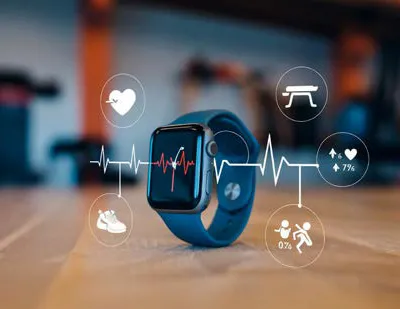
Apple, not content with just streaming your favorite podcasts, now wants their AirPods to double as hearing aids. And your Apple Watch? It's gunning for a specialization in sleep medicine. Because apparently, wearing your wealth on your wrist wasn't enough – now it needs to diagnose you too.
Don't get me wrong, the technology is impressive:
• Your earbuds could become hearing aids (minus the stigma and plus the cool factor)
• Your watch might save you from sleep apnea (while reminding you to stand up every hour)
• All your health data gets neatly packaged in one place (because who doesn't want their entire medical history living next to their playlist?)
However, there are significant hurdles to overcome. Apple faces lengthy regulatory processes before these fashion accessories can officially become medical devices. The FDA's approval timeline remains uncertain, and healthcare professionals express valid concerns about this transition.
Not to mention the elephant in the room: privacy.
The privacy implications also raise serious questions. Users must weigh the convenience of having health monitoring capabilities against the risks of storing sensitive medical data on their personal devices - the same ones they use for social media and daily communications.
Robot Surgeons: Not Your Sci-Fi Nightmare
Moving to surgical innovations, the Symani System represents remarkable progress in robotic surgery. Its precision capabilities exceed typical human limitations, allowing for extraordinarily delicate procedures. I've observed these machines in action, and their accuracy is remarkable.
Key advantages include:
• Enhanced surgical precision beyond natural human capabilities
• Significantly reduced incision sizes, leading to better patient outcomes
• Remarkable adaptability across different surgical procedures
Yet these systems present real challenges.
The financial investment required often strains hospital budgets substantially. Medical teams need extensive training to master the technology effectively. We must also consider the implications of increasing reliance on complex mechanical systems during critical procedures.
CGMs: Finally Playing Nice with Other Medical Equipment
Regarding Continuous Glucose Monitors, we've seen meaningful progress. Gone are the days when patients needed to remove their monitors before medical imaging procedures. I remember working with early CGM models that required removal before any diagnostic scan. No more! Abbott's latest CGMs are like that friend who gets along with everyone at the party – they're now compatible with X-rays, CT scans, and MRIs.
The good news:
• Uninterrupted glucose monitoring (because diabetes doesn't take a break for your MRI)
• Better accuracy (finally!)
• Broader usefulness in medical settings
However, significant barriers to widespread adoption remain. The cost remains prohibitive for many patients, and technical limitations can affect monitoring accuracy during certain sleep positions or daily activities.
Smart Footwear: Because Your Shoes Needed an IQ Too
A fascinating development in medical wearables has emerged through smart footwear technology. These advanced shoes incorporate sophisticated sensor systems that offer comprehensive gait analysis, balance monitoring, and valuable data collection for creating individualized treatment protocols.
The integrated sensors capture detailed biomechanical data, enabling healthcare providers to:
• Analyze walking patterns and potential abnormalities
• Assess balance and stability metrics
• Generate comprehensive reports for personalized therapeutic interventions
However, the technology faces several practical challenges. The current market pricing places these devices beyond many patients' reach. Additionally, engineering teams continue working to resolve durability issues inherent in combining sensitive electronic components with footwear designed for daily use.
As someone who's spent years watching the medical device field evolve, I can't help but be impressed by these innovations. Yes, they're expensive. Yes, they're sometimes more ambitious than practical. And yes, they occasionally feel like solutions looking for problems.
But they're also pushing the boundaries of what's possible in healthcare. We're literally walking around with medical-grade monitoring devices disguised as fashion accessories. That's pretty incredible, even if your wallet disagrees.
The real challenge isn't creating these technologies – it's making them accessible to everyone who needs them. Because the future of healthcare shouldn't be reserved for those who can afford the latest Apple Watch or robot-assisted surgery.
As a bioengineering expert, I view these innovations with optimism, albeit seasoned with a healthy dose of skepticism. We're genuinely creating the future here. Though sometimes it looks a bit different from those glossy brochures.
The potential is enormous.
But let's not forget the crucial part: these technologies should serve people, not the other way around. And yes, making them a bit more accessible would be nice.
Because right now, as always, the future is here - it's just not evenly distributed.
Mind you, these are exciting times in medical technology. Despite my occasional sarcasm, I genuinely believe we're on the brink of something revolutionary. We just need to ensure we're creating solutions for everyone, not just those who can afford to be early adopters.
And perhaps that's the real challenge: balancing innovation with accessibility, cutting-edge technology with practical application. But hey, if we can make a device that reads glucose through skin or let’s people tweet with their thoughts, surely we can figure out how to make it available to those who need it most.
In the meantime, I'll keep watching these developments with both professional interest and personal amusement. Because sometimes, the best way to approach the future of medical technology is with equal parts expertise and humor.
References:
DiaMonTech's D-Pocket - https://en.wikipedia.org/wiki/Noninvasive_glucose_monitor
BioXensor by BioRX - https://en.wikipedia.org/wiki/Noninvasive_glucose_monitor
Synchron's BCI Implant - https://nypost.com/2024/09/17/lifestyle/ny-neurotech-companys-brain-implant-allows-als-patient-to-control-amazons-alexa-with-thought/
Precision Neuroscience's Funding Milestone - https://www.ft.com/content/67187e59-a708-45e4-9112-7fd4e9b68e63
Apple's Health Initiatives - https://www.barrons.com/articles/apple-airpods-hearing-aid-fe67c09e
MMI's Symani System - https://www.medicaldesignandoutsourcing.com/medical-device-innovations-best-inventions-2024
Abbott's FreeStyle Libre 2 and 3 - https://www.verywellhealth.com/fda-clears-abbott-cgms-for-use-during-imaging-8743612
Smart Shoes for Health Monitoring - https://arxiv.org/abs/2402.01645