
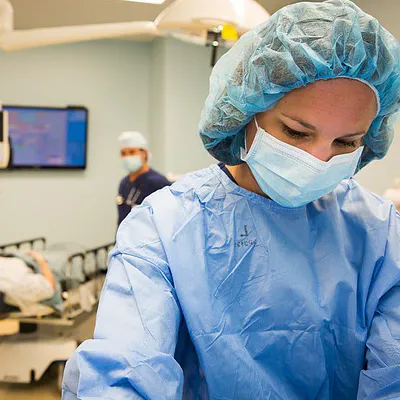
Facing the rapidly developing healthcare ecosystem, surgical specialties are firmly in the centre of attention in promoting better patient outcomes, spurring innovation, and hospital investments. Neurosurgery is one of them, which is the most complex and resource-demanding sphere, changing the world after all. Its effects are felt way outside of the operating room, affecting healthcare economics, technology implementation, training of the workforce, and even world health equity.
Neurosurgery is more than a medical specialty to industry leaders, policymakers, and healthcare providers: it is a place where the intersection of clinical excellence and leading-edge technology meet market development and system transformation. Gaining knowledge about implementing its impact is an important insight into how surgical specialties may be utilized to achieve better outcomes, at the same time providing sustainable business and healthcare models.
The Strategic Importance of Neurosurgery in Healthcare
The practice of neurosurgery can be considered through a patient care prism but practitioners can go much deeper. It is a foreign key of the hospital infrastructure and a significant interest of the healthcare investment.
Unlike most other surgery specialties, neurosurgery directly concerns itself with those parts of the central nervous system - the brain, the spinal cord and the peripheral nerves - thus neurosurgery is fundamental to life, thought and locomotive movement. These cases are complex, necessitate the use of advanced equipment, well trained specialists, and multidisciplinary support making neurosurgery be one of the high value specialties in the current systems of healthcare delivery.
Healthcare systems and individual providers often find the availability of high-level neurosurgical care as a symbol of excellence, which achieves physician attraction and brings patients and partnerships.
Neurosurgical hospitals have better ability to earn reputation, referrals and income due to the specialized procedures.
Market Growth and Industry Opportunities
This market has been growing steadily with increasing neurological ailment cases due to the growth of the aging population, and developments in technologies. Global neurosurgery devices market is posting an impressive figure, estimated to be tens of billions of dollars within the upcoming decade, according to reports in the industry, and is further catalyzed by shifts toward minimally invasive surgery, robotics, and AI-based diagnostics.
Neurosurgery offers immense potential to the manufacturer of medical devices. The navigation systems, intraoperative imaging equipment, and robotic systems are on the rise. Synergies are also being observed between pharmaceutical firms and neurosurgery especially in areas like treatments of brain tumor and in the management of neurological diseases where both surgical and drug treatments tend to come together.
Neurosurgery is one of the capital-intensive but high-paying types of specialties, which are known by the investors and the healthcare administrators. Although immediate costs such as investing into infra-structure and talent are high, the long term reward of influx of patients, research collaborations, positioning as a competitor are high.
Technology as a Catalyst for Transformation
Technically relying on technology is one of the characteristics of neurosurgery. Unlike conventional surgery, neurosurgery is not possible without using sophisticated images, fine instruments, and monitoring devices during surgery.
There has been a faster uptake of:
• Neuronavigation systems - Brain GPS (abbreviated neuronavigation), the map systems which help a surgeon to make exact interventions.
• Robotics - that facilitate the minimally invasive spine and brain surgeries that lessen complications and recovery periods.
• Artificial intelligence, which is used in preoperative planning, during the intraoperative decision-making, and outcome predictions.
• Brain-computer interfaces that, despite their early stage of development, are proving to open new frontiers in neurorehabilitation and patient functionality.
Not only is this integration of technology in surgery improving surgical outcomes but it is transforming the way providers in the healthcare field allocate their budget and head into future investment. Neurosurgery has become a proving ground of new innovative healthcare technologies as vendors, startups, and innovators view it as an opportunity to apply the technology to other surgical specialties as well.
Economic and Societal Value
In addition to its clinical benefit, neurosurgery plays a major role in the economic stability of healthcare systems. Neurological conditions fall short as one of the most devastating types of the disability all over the globe continuously rising into long-term healthcare expenses and productivity. Neurosurgical therapy, with the effect of restoring functionality or disability prevention, not only reduces the economy cost to the families, the insurance or government.
As a single example, early surgery of traumatic brain injury, or operation to diminish pressure on the spinal cord, can reduce the cost of rehabilitation and help people get back into the work force dramatically. Analogously, deep brain surgery interventions like deep brain stimulation, in improving the quality of life of Parkinson patients, will also minimize long-term dependency on long-term care.
Based on macroeconomic perspective, neurosurgery can be seen to breed the productivity of the society since it has been more of a specialization in critical cases, hence also in long-term sustainability on the economic front of healthcare.
Workforce and Training: A Global Challenge
The world faces a shortage of trained neurosurgeons which presents one of the burning issues that neurosurgery as a sector has to grapple. It has been estimated that there is grossly inadequate neurosurgical coverage in the low- and middle-income countries and many regions have less than one neurosurgeon per million population.
This shortage poses a problem to healthcare leaders but it is also an opportunity. This can be closed by investing in neurosurgical training domains, academic collaborations, and telemedicine applications. Firms specializing in medical training and simulation technologies are discovering new markets in this field, especially as the need in remote and AI-aided training grows.
The strategic investments in neurosurgical training made by hospitals and governments will not only build the local healthcare capacity, but also can increase competitive advantage on the global platform.
Collaborative Models of Care
Neurosurgical cases are complex and thus require collaboration. Neurosurgeons work individually only rarely, they organize communication with neurologists, oncologists, radiologists, anesthesiologists, and specialists in rehabilitation. That forms a multi-disciplinary ecosystem and stimulates the demand of integrated care models and innovations across specialties.
In the case of B2B stakeholders, this co-operative nature holds out new possibilities in:
• Unified care journeys, in which technology vendors are able to develop systems to bring together many specialists.
• Health IT platforms, which make it possible to freely exchange data across disciplines.
• Cross-industry collaborations, in particular among pharmaceutical, device and digital health firms.
The neurosurgical specialty, as such, becomes a centre of healthcare convergence, with it, becoming a strategically significant healthcare value chain stakeholder territory.
Addressing Accessibility and Cost Barriers
With its innovations, neurosurgery is among the resource-intensive specialties, and the question of accessibility appears. It is too expensive with regards to equipment, consumables and talent reducing its viability in under-resourced areas. Investment-cost is always a struggle among the healthcare providers.
This provides the industry with a need to be cost-efficient innovation. Firms which will be able to do this with low cost imaging equipment and handheld surgical equipment and solutions that can be scaled to become robotic solutions will retain major market share in emerging economies. Likewise, global health initiatives in neurosurgery within governments and non-profits are substantively pursuing partners in technology and industry to expand their service to underserved populations.
The issue of health affordability is an innovation call to arms to B2B players because it is an opportunity to build business models that do not counteract broader strategies of healthcare equity.
The Future of Neurosurgery: Strategic Outlook
In future, the field of neurosurgery will experience bouts of drastic change due to the combined factors of technological innovation, world health priorities, and the patient. The main trends that shall probably influence its future include:
In the near future, neurosurgery will experience a radical shift in favor of high technology, world health concerns, and patient-oriented medical services. The main trends that would tend to dominate its future can be described as follows:
Looking ahead, neurosurgery is expected to undergo a profound transformation, driven by technological advancements, global health priorities, and patient-centered care. Key trends likely to shape its future include:
• Hyper-customized neurosurgery using genomics, AI to make interventions specific to a patient.
• Regenerative-medicine, which through stem cell research and bioengineering offers avenues of spinal cord repair.
• Digital neurosurgery, whose augmented and virtual reality and tele-neurosurgery are augmenting access and training.
• International collaborations, which focus on disparities through the development of scalable low-resource neurosurgery solutions.
These trends are indicative of the fact that neurosurgery will remain a future strategic focus area, which provides opportunities in terms of innovation, collaboration, and investment to industry leaders. The hospitals which adopt such innovations will be at the frontline of specialist care and the businesses assisting the specialty will have a vibrant and futuristic market.
Conclusion
Surgical specialties are evolving, but what makes neurosurgery a hallmark of complexity and innovation and impact is almost hard to ignore. Its impact is felt on clinical excellence, on healthcare economics, on quality of life to the patients, and on industry development.
As a healthcare provider, device manufacturer, technology innovator, or investor, the field of neurosurgery is an area of both potential and duty as far as B2B stakeholders are concerned. Not only will its future be determined by technological innovations but also on the manner in which technologies are rolled out across the various healthcare systems worldwide in an even handed and sustainable manner.
In conclusion, neurosurgery has demonstrated what surgical specialties may look like in the future- hugely collaborative, technological, economically important, and global. Whether it is concentrating on neurosurgery or any other specialty, it is not only developing one aspect of the healthcare sector but also designing the future of medicine.