
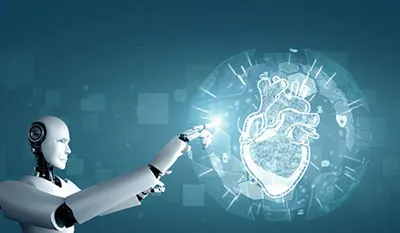
Cardiovascular diseases (CVDs) remain the leading cause of global mortality. Artificial intelligence (AI) has emerged as a transformative tool in reshaping diagnostics, treatment, and patient care. By leveraging vast data, AI provides precision, speed, and personalization, offering unprecedented opportunities to revolutionize cardiovascular healthcare.
AI in Diagnostics
Imaging and Detection
AI’s role in imaging and diagnostics is pivotal in improving precision and reducing diagnostic delays. AI-powered tools analyze echocardiograms, computed tomography (CT), and magnetic resonance imaging (MRI) scans with unparalleled accuracy. For instance, deep learning algorithms can identify subtle anomalies in cardiac imaging, assisting in the early detection of life-threatening conditions such as coronary artery disease (CAD) and cardiomyopathies. These tools also standardize diagnostic processes, minimizing inter-observer variability and improving diagnostic reliability across diverse healthcare settings.
Moreover, automated systems that process electrocardiograms (ECGs) have significantly enhanced arrhythmia detection. For example, AI algorithms can diagnose atrial fibrillation (AF) or ventricular tachycardia in real-time, which is crucial for initiating timely interventions. By reducing reliance on manual interpretation, AI reduces errors and enables broader access to quality cardiac care, especially in under-resourced regions.
Risk Prediction Models
AI significantly enhances cardiovascular disease (CVD) risk prediction by leveraging large datasets and sophisticated algorithms. Traditional models like the Framingham Risk Score and the Atherosclerotic Cardiovascular Disease (ASCVD) calculator rely on limited clinical parameters. In contrast, AI integrates diverse data types, including genomics, lifestyle factors, and imaging biomarkers, to generate personalized risk assessments.
For instance, machine learning models have been shown to outperform traditional risk scores in predicting adverse cardiac events such as myocardial infarction and heart failure. These models provide clinicians with actionable insights, allowing for tailored prevention strategies and early intervention. AI-based risk prediction also enables dynamic updates based on new patient data, offering a real-time understanding of disease progression.
AI in Treatment
Personalized Medicine
One of the most promising applications of AI in cardiology is its ability to facilitate personalized medicine. AI-driven algorithms integrate genetic, clinical, and imaging data to identify optimal therapeutic approaches for individual patients. For example, in managing hypertrophic cardiomyopathy, AI tools can predict disease progression and recommend interventions such as septal reduction therapy or pharmacological management based on patient-specific characteristics.
AI also optimizes heart failure treatment by identifying patients most likely to benefit from specific medications or devices, such as implantable cardioverter defibrillators (ICDs) or cardiac resynchronization therapy (CRT). This tailored approach minimizes trial-and-error treatments and improves overall outcomes.
Intervention Assistance
AI has revolutionized interventional cardiology by enhancing precision and reducing procedural risks. Robotic systems guided by AI are increasingly used in coronary stenting and structural heart procedures. These systems improve procedural accuracy and reduce radiation exposure to both patients and operators.
In electrophysiology, AI-guided tools enhance the success of catheter ablation for arrhythmias such as AF. By creating detailed electro-anatomical maps of the heart, AI aids in identifying arrhythmogenic foci with high accuracy, improving procedural outcomes and reducing recurrence rates.
Remote Monitoring and Wearables
Continuous Monitoring
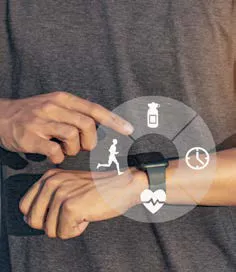
AI-integrated wearable devices have transformed the landscape of remote patient monitoring. Smartwatches and wearable ECGs equipped with AI algorithms can continuously track heart rate, rhythm, and other vital parameters. These devices enable early detection of silent ischemia, arrhythmias, and other cardiac abnormalities, often before symptoms manifest.
For example, wearable sensors can identify paroxysmal AF episodes, which are frequently missed in routine clinical evaluations. This capability is crucial for initiating anticoagulation therapy and preventing stroke in high-risk patients. Additionally, AI-powered wearables empower patients to take an active role in managing their cardiovascular health.
Telehealth Integration
AI facilitates seamless integration of telehealth services, making cardiac care more accessible and efficient. By analyzing real-time data from remote monitoring devices, AI systems alert clinicians to concerning trends, enabling timely interventions. Telehealth platforms augmented with AI also streamline virtual consultations, reducing the burden on healthcare facilities and improving patient convenience.
Furthermore, AI-driven remote monitoring has been shown to reduce hospital readmissions by enabling proactive management of chronic conditions like heart failure. This not only improves patient outcomes but also alleviates the financial strain on healthcare systems.
AI in Research and Drug Development
Accelerated Drug Discovery
AI is revolutionizing drug discovery by simulating molecular interactions and predicting therapeutic efficacy. For cardiovascular conditions, this means faster development of novel treatments for heart failure, hypertension, and dyslipidemia. AI algorithms can analyze vast libraries of chemical compounds, identifying potential drug candidates within weeks rather than years.
For instance, AI has been instrumental in identifying repurposed drugs for managing CVD, reducing the time and cost associated with traditional drug development. These advancements have profound implications for addressing unmet needs in cardiovascular care.
Clinical Trial Optimization
AI also optimizes clinical trial design by identifying suitable participants and predicting trial outcomes. This ensures that trials are more representative and efficient, accelerating the approval of life-saving therapies. For example, machine learning algorithms can analyze electronic health records to identify patients who meet inclusion criteria, increasing enrollment rates and improving trial success rates.
Challenges and Ethical Considerations
Data Quality and Bias
The effectiveness of AI models depends on the quality and diversity of training data. If datasets are biased or unrepresentative, AI systems may perpetuate disparities in care. For example, algorithms trained on predominantly Caucasian populations may perform poorly in predicting CVD risk in underrepresented ethnic groups.
To address this, researchers must prioritize the inclusion of diverse datasets and develop standardized protocols for AI model training. Regulatory bodies also play a crucial role in ensuring that AI systems meet rigorous standards of accuracy and fairness.
Ethical Concerns
Ethical considerations, including data privacy and regulatory approval, pose significant challenges to AI adoption. Balancing the need for comprehensive data access with patient confidentiality is critical. Additionally, the lack of standardized regulations for AI systems in healthcare creates uncertainty regarding their implementation.
Collaborative efforts between policymakers, clinicians, and technologists are essential to address these challenges. Establishing clear guidelines for data use and developing transparent AI systems will build trust among stakeholders and facilitate broader adoption.
Future Directions
Clinical Workflow Integration
The successful integration of AI into clinical workflows requires collaboration between healthcare professionals and technology developers. AI should be viewed as a decision-support tool that complements, rather than replaces, human expertise. By streamlining routine tasks and providing actionable insights, AI can enhance clinicians’ efficiency and focus on patient care.
Advancements in Predictive Analytics
The future of AI in cardiology lies in leveraging real-world data to improve long-term disease management. Predictive analytics will enable early identification of high-risk patients and guide interventions to prevent disease progression. Additionally, advancements in natural language processing (NLP) will facilitate the extraction of valuable insights from unstructured clinical data, further enhancing predictive accuracy.
Conclusion
AI is revolutionizing cardiovascular care, enhancing diagnostics, personalizing treatment, and optimizing resources. While challenges related to data quality, bias, and ethics remain, addressing these issues is critical to fully harnessing AI’s potential. By fostering collaboration between clinicians, researchers, and policymakers, AI can transform cardiovascular healthcare, improving patient outcomes and driving innovation.