
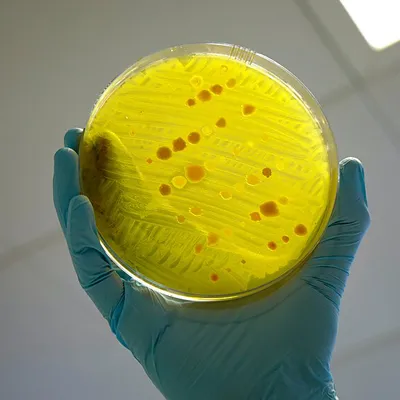
Antimicrobial resistance is a pending disaster that will soon tear apart medical comfort and it looms like an unending epidemic. At bottom, it is a phenomenon in which microbes such as bacteria, viruses, fungi and parasites develop the means to overcome the medicines set out to destroy them. Whereas the pace of the phenomenon of resistance is a kind of natural process thriving since the existence of microorganisms, the otherwise dissimilar speed of an occurrence of this process is predominantly caused by human activities. Antibiotics are being used indiscriminately in medical practice, farming, even fish farming, and this has led to a scenario whereby some of the most easily dealt with infections are becoming untreatable.
The seriousness of AMR can hardly be overestimated. Diseases like pneumonia, urinary tract infections, and sepsis, which could easily be treated with antibiotics are again rearing their ugly heads. Increasingly, surgery, organ transplants, and chemotherapy--all of which depend on antibiotics to avoid infections--are becoming risky. Estimates indicate that up to 10 million lives may be lost to AMR every year by 2050, usurping cancer as the top killer should the situation not be controlled. The AMR is not only a medical issue but also a socio-economic crisis endangering health care systems and global food security as well as economies.
The Science behind Resistance
Microorganisms are innately flexible under their treatment with antimicrobial agents, there is a possibility that a small proportion of them will survive either because they happened to have genetic mutations spontaneously or because they got resistance genes that originated in other microbes. Such resistant strains will then multiply and this will slowly reduce the effectiveness of the available medication. When antimicrobials are overused or used improperly, the pathogens undergo selective pressure to grow, and in that way gain an evolutionary advantage.
The resistance mechanisms vary. Bacteria could also enzymatically break down antibiotics, change its cell wall permeability to prevent the entrance of the drug, or develop efflux pumps that remove the antibiotics. In other situations, there is a horizontal transfer of resistance via plasmids, allowing the transfer over microbial populations relatively quickly. The outcome is an expanding reservoir of so-called superbugs- strains that are resistant to most and even last-resort antibiotics such as carbapenems and colistin.
The Global Burden of AMR
The magnitude of the AMR crisis is shocking. A 2022 Global Research on Antimicrobial Resistance (GRAM) report released in The Lancet estimated that 1.27 million deaths in 2019 and 5 million deaths were caused by antimicrobial resistant infection. This burden is biggest on the low and middle income countries particularly in sub-saharan Africa and south Asia where the healthcare infrastructures are already burdened and where surveillance systems are not as robust.
An enormous economic implication of AMR is also huge According to the World Bank, the uncontrolled resistance may lead to a drop in global GDP by up to 3.8% by 2050, cost of healthcare will sky rocket as a result of longer hospital stays, more diagnostics tests, and scarce high cost therapies. Children especially the most vulnerable and the elderly are facing an existential threat because of AMR, which is furthering global health disparities.
Drivers of Antimicrobial Resistance
Misuse in Healthcare
The misuse and overutilization of antibiotics in the clinical practice is one of the most vital factors that lead to the development of AMR. Most patients always insist on antibiotics when in real sense they need it only in viral infections such as the common cold or flu. In most areas, antibiotics are sold without prescription and this adds to the worsening of abusive use. Also, partially treated courses of treatment favor the survival of survival of partially resistant organisms that consolidate to become fully resistant strains.
Agricultural Practices
Another huge driver is the agricultural sector Antibiotics have been broadly used in the treatment of infection in livestock, as well as growth promoters in an attempt to improve meat production.
Such practices expose a whole microbial ecosystem to antibiotics, which can trigger resistance that can be passed to human beings via the food chain, water and soil. Aquaculture also has become a hotbed of antibiotic misuse.
Weak Infection Control and Sanitation
Medicine facilities due to lack of adequate sanitation and overcrowding systems are slowing down infection prevention and control measures causing an escalation of the infection spreading with the resistant bugs. Poor accessibility to clean water and sanitation in most developing countries also promotes sustainability of drug resistant microbes in the community.
Lack of New Drug Development
The pharmaceutical pipeline of new antibiotics has been slowed down dramatically. Research and development of antimicrobial drugs is scientifically-complex, lengthy, and not as economically appealing as those of chronic illnesses. The lack of effectiveness in conventional antibiotic drugs and comparatively low returns on antibiotic development have pushed many pharmaceutical companies out of the business giving the world a paucity of defenses against resistant organisms.
The Public Health Implications of AMR
The implications of AMR is manifold and serious. AMR carries the jeopardy of the effectiveness of basic medical care. Some surgical treatment including hip replacement, caesarean sections, or transplants will be ineffective without your prophylactic antibiotics. In their absence, there is a high risk of life-threatening infections. Likewise, cancer patients under chemotherapy are vulnerable as a result of weakened immune systems and, in the absence of reliable antibiotics, their condition becomes even worse.
Further, AMR contradicts the universal access to healthcare. In low-resource areas, in which treatments other than first-line antibiotics are inaccessible or economically unattainable, patients usually die of infections that would have suffered otherwise. In wealthier countries the increasing expenses of costly antimicrobials and prolonged hospital stay places a burden on medical expenditures, taking up funds in other areas of the population.
AMR and the One Health Perspective
Fighting AMR implies understanding that it is all connected with human, animal, and environmental health. This whole system is termed as the One Health approach and it recognizes how resistant organisms flow freely through human beings, animals, and the ecosystem. The antibiotics penetrates rivers and groundwater due to later run-off into agricultural land. The bacteria present in livestock can inhabit the human body by direct interface or ingesting the products of the animals.
Such environmental reservoirs include the wastewater system with a re-entry of resistant microbes into human populations in the future.
The One Health approach advocates concerted efforts among sectors Restriction of antibiotic use in veterinary clinics and medicine and tightening of the laws on drug waste removal and boosting of the scrutiny of the environment are as important as promoting the best of stewardship in hospital environments. It is necessary in order to attain the sustained effects that are possible in the case of piecemeal efforts.
Global Responses and Policy Initiatives
To deal with the threat, international bodies and national governments have started to devote resources to the problem. In 2015, the World Health Organization, on the basis of the developed action plan, advanced in five priority directions, namely increased awareness, enhanced surveillance, a decrease in the prevalence of infections, the rational use of antimicrobials and sustainable investment to ensure implementation.
Most countries have since come up with national action plans to give impetus to these goals, although implementation is not even across the board. High-income countries have adequately infrastructured better surveillance systems and stewardship programs, whereas several low-income countries have poor infrastructures. Innovation Partnerships like the Global Antibiotic Research Development Partnership (GARDP) are trying to restart the situation with antibiotics in development, but there are still inadequate levels of financing.
Strengthening policies with regard to agricultural use of antibiotics is also attracting attention. The use of antibiotics as growth promoters in livestock was banned by the European Union in 2006 and it provides an example to the rest of the world. Enforcement is however a problem, especially in nations that have massive exporters of agricultural products with poor regulatory oversight.
The Role of Technology and Innovation
Innovating will be an important part of the combat with AMR. Improvement of rapid diagnostic instruments is especially promising, as they will allow doctors to quickly define whether the infection is bacteria and, in case it is, the best antibiotic can be selected. This amounts to eliminating unwarranted prescribing and enables focused treatment. Artificial intelligence is also used to approve microbial analysis, predict resistance patterns and fast track the possible identification of new compounds.
A new possible alternative to antibiotics has appeared: phage therapy - the use of viruses that selectively attack bacteria. Likewise, anti-microbial peptides, inculcations and manipulating the microbiome has a lot of promise. Several innovative technologies that have been developed in laboratories but still remain in laboratories because of the need to provide substantial investment that may need regulatory changes and collaborations between the government and the private sector, whereby, the government plays an enabling role.
Strengthening Stewardship and Awareness
Stewardship of current antimicrobials is also necessary in line with their responsible use. Antimicrobial stewardship programs (ASPs) in hospitals encourage rational prescribing activity, and, therefore, antibiotics are prescribed only when needed and not used more than is needed to treat the condition. Education of the healthcare staff, meaningful prescription directions, and the use of electronic health records in recognition of improper prescribing are helpful methods.
The campaigns on education to the populace are also critical. Increased education of the communities about the harm of self-medication, the use of incomplete doses of medications to treat the disease, and the inappropriate use of relatively passive antibiotics can alter harmful behaviors that lead to resistance. The schools, community centers and the social media platforms can serve as a good medium to pass these messages.
The Economic and Ethical Dimensions
The AMR crisis extends beyond microbes and medicine to address the thorny economic and ethical questions about how we can best regulate, improve and control the situation. How should the development cost of new antibiotics be disburted when there is little profit? Should Pharma research subsidy guarantee people lifesaving drugs? How can we ensure effective treatment is practicable on an equitable basis and particularly in the low- and middle-income countries?
These questions point out to the necessity of solidarity all over the world. Poor and richer countries should assist low-income nations in developing laboratory capacity, training, and developing surveillance networks. Without this support resistance hotspots in vulnerable regions will continue to seed global spread and sabotage progress everywhere.
The Way Forward
The war against AMR is time-bound. Combination of innovation, stewardship, regulation and awareness are key to success.
The enhancement of health care facilities in low resource areas will be crucial in the context of preventing the spread of resistant infections. There needs to be an international effort increased, and that includes increased financial contribution towards surveillance, research and equal access to new treatments.
Behavioral change cannot be neglected on an individual level. Patients should understand that antibiotics cannot serve as a miracle and non-adherence to the regimen is unacceptable. There are sustainable practices that involve less reliance on antimicrobials and they should be adopted by farmers and veterinarians. Economic forces have to be flanked by health concerns that would be tenable in the long run so that policy-makers are not tempted to give in to immediate benefits, which are counterproductive in the long run.
Conclusion
Antimicrobial resistance can be considered one of the most serious threats to the health of the contemporary world. It is a gradual, but inexorable disaster that, unless it is tackled, will send humankind into a post-antibiotic era in which everyday infections are life-threatening and surgical interventions are impossible. Nevertheless crisis is not irreceivable. The flow of opposition can be slowed and ultimately turned with the support and engagement of the global community, a strong next-generation investment in innovation, and co-ordinated international action. We are well beyond a time of incremental action; we now need bold, collective action to protect the efficacy of antimicrobials into the future.