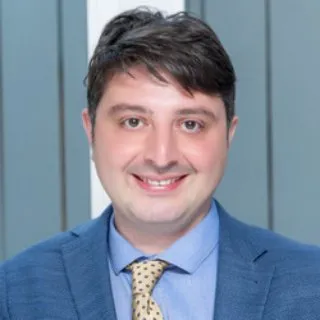
1. Dr. Aliyev, could you elaborate on the prevalence and significance of cardiac arrhythmias in Azerbaijan? How do these rates compare globally, and what are the primary contributing factors observed in your research?
Unfortunately, a statistics of cardiac arrhythmia is not well studied in Azerbaijan. This field is relatively new in our country. First cardiac ablation was performed in 2006. Interventional cardiology program, in its modern understanding started in 2000, despite the fact that cardiac catheterizations and cardiac surgery were performed since 1970th. And as you can understand arrhythmology is one of the youngest areas of cardiovascular medicine, which started in our country. During these decades we observed that development of early coronary intervention has changed the pattern of arrhythmias in our patients.
2. How has the understanding of arrhythmias evolved in recent years, and which developments in the diagnosis and treatment of arrhythmias do you find most groundbreaking?
a. As other parts of cardiovascular medicine, cardiac electrophysiology has changed dramatically in the last decade. We have changed our understanding and approach to patients presenting with cardiac arrhythmias. High density 3-D mapping techniques lead to significant increase in the success rate of cardiac ablation in structural heart disease. Parallel developments in cardiovascular imaging changed our understanding of cardiomyopathies. Techniques that allowed integration in 3-D mapping and cardiovascular imaging provided us with even more information.
b. Approach co catheter ablation also has undergone significant improvements. It started with 3-D mapping guided ablations, then it became simpler with advent of cryoballoon systems and later with the approval of pulsed field ablation and their integration with 3-D mapping. All together these achievements made things more effective, faster and most importantly more safe.
c. Leadless pacemakers, subcutaneous and recently presented extravascular ICDs are in my opinion, very important developments in field of cardiac pacing and defibrillation. Leadless CRT systems which are still not approved but undergoing clinical studies will expand our possibilities and will make these interventions simpler and safer for our patients.
3. In terms of technology, what innovations are you currently using at the Baku Health Center Heart Center to improve the detection and management of cardiac arrhythmias? We use latest technology at our center.
At Baku Health Center we have the only dedicated EP lab in our country. We use conventional EP, 3-D mapping with high density mapping capabilities, cryoablation system. Within a very short period of time we expect to start PFA procedures in our center. We also probably have the most experienced center which performs percutaneous stellate ganglion ablation in case of recurrent ventricular tachyarrhythmias in addition to endo and epicardial ablation and in patients with long QT syndrome. Again we are the only center which performs epicardial VT ablation. And again, nowadays we plan to start hybrid ablation procedures in management of patient with atrial fibrillation. We also perform implantation of all kind of cardiac rhythm management devices and as mentioned before the end of 2024, we will start the program of leadless pacemakers a subcutaneous ICDs.
4. Could you discuss the role artificial intelligence is beginning to play in diagnosing and managing cardiovascular diseases, especially arrhythmias, at your facility? How do you envision this role evolving in the coming years?
We plan to start use of artificial intelligence in diagnosis and follow up of our patients. New tool for distant monitoring and use of AI in cardiovascular imaging is very important today. This allows more rational use of time, decrease waiting times and also decreases the human related mistakes.
5. What challenges or limitations are associated with integrating AI-driven technologies in cardiovascular medicine, and how is your team addressing these?
The most important limiting factor is again human related. In our country people still think that we cannot rely on AI. But I think today there is enough data to say that we have to use it in everyday practice. It will help to make our daily routine more easily, and physicians who will use AI in their daily practice will be more successful in their scientific and practical work.

6. Have you observed any significant shifts in the demographics or lifestyle factors contributing to cardiovascular disease in Azerbaijan? What strategies have proven effective in mitigating these risk factors?
As member of managing board of Azerbaijan Society of Cardiology and past president of the same society we did hard work for last 10-15 year to increase awareness of cardiovascular risk factors. Azerbaijan is considered as very high risk area for cardiovascular diseases and mortality from cardiovascular disease is number one cause of death in our population. But fortunately, in parallel with development of public insurance system in our country, which covers most part of the diagnostic and therapeutic cardiovascular interventions, it became very easy to any of our citizen to reach high quality medical care including cardiovascular diseases. We work in close collaboration with Ministry of Health and Public Insurance Agency to increase the awareness of cardiovascular disease and improve quality of care in this field. Primary 24 hour primary PCI facilities are widely available in most areas of our country.
7. In your opinion, what gaps still exist in arrhythmia research, and what specific areas would benefit from further exploration to improve patient outcomes?
I will start from the second part of your question. I hope to see the era, when genetic treatment approaches will be available at least in patients with monogenic chanellopathies and cardiomyopathies. We need more tools to increase success rate of ablation of atrial fibrillation, which is the one of the leading cause of stroke, heart failure and death. We also need to improve technology for leadless pacing.
8. With advancements in wearable health technology, how has patient monitoring changed, especially for those with arrhythmia? How reliable do you find these technologies in real-world practice?
Today we actively use wearable devices in diagnosis and follow up of our patients. Technology that we use today is very reliable, but I think with adding more software tools it will become more reliable and more useful. These days we joined atrial of voice interpretation by AI in patients with heart failure. Probably, in the near future diagnosis of cardiovascular disease will completely move toward AI and wearable technologies.
9. Considering the patient population you serve, what preventive measures do you believe should be prioritized at the national level to combat cardiovascular disease more effectively?
In our country we have a population with very high cardiovascular risk profile. We have very high incidence of hypertension and diabetes, high smoking rate among men and increasing rate of smoking in women, use of energetic drinks both in young and middle-aged population, high consumption rate of fat in food, and uncontrolled use of salt. As a consequence, we have a very high rate of cardiovascular disease. Active collaboration between society, ministry of health and public health insurance agency contributed to significantly increase awareness of CV disease.
10. Could you highlight any recent breakthroughs or ongoing clinical trials at the Baku Health Center focused on arrhythmia and heart disease management?
Our center is part of several national and international trials and registries. GRASP study, VOICE-HF study, national AF registry, study investigating role of sympathetic denervation in heart failure are some of them. We have developed some modified technical approaches in interventional electrophysiology. But this is too long story.
11. What role do you see for personalized or precision medicine in treating arrhythmias? Are there any biomarkers or genetic indicators that your team considers particularly valuable?
I think today we are far from personalized pharmacological therapy in patients with arrhythmia. Despite we could develop very advanced technology in interventional electrophysiology, we do not have any ideal antiarrhythmic agent. There is too point of view for this phenomenon. May be we developed all this approaches and technology, because who could not develop ideal medication or vice versa, we did not focused on developing of medication because we have very advanced technology. But I cannot answer to these questions.
12. What has been your experience with radiofrequency catheter ablation or other advanced electrophysiological interventions? Could you speak to their effectiveness and possible advancements on the horizon?
We use radiofrequency ablation for several decades, and have high experience with this technology. Although, it is considered safe and very effective, it had some limitations. This was the reason for continuous research for development of new and safer and more effective energy sources. Today we have two additional tools that can be used in the treatment of arrhythmia patients. These are cryo-ablation and recently approved pulsed field ablation. Now cryoablation is continuously developing in improving technology and longtime has passed since its first introduction into clinical practice. It started first with catheter developed for focal ablation and now it is widely used around the world for pulmonary vein isolation. With cryoballoon catheter, ablation of atrial fibrillation became more fast, in my opinion more safe, and as shown in trials noninferior to radiofrequency ablation. Focal cryoablation is preferred in pediatric population, and when we have to ablate very close to AV node. I had a chance of being one of the first users of cryoablation in Europe, during my EP fellowship. Pulsed field ablation is newest ablation tool which was recently approved. We do not have enough experience with this technique, but I think it will stay for a long time as additional, and in some instances main energy source in the management of tachyarrhythmias. It has several limitations, and we have seen more data about safety and long term results.
13. Cardiovascular medicine is rapidly evolving. What are the key educational and training requirements you believe are essential for future cardiologists to keep up with the advancements in the field?
In my opinion, it is time to change a classical education programs in Cardiology. In my way of thinking we have to merge cardiology and cardiovascular surgery programs. Fellows should start not from general cardiology fellowship for 2 years and the continue last 3 years of education in a specific area, like CV surgery, interventional cardiology, electrophysiology, CV imaging, preventive cardiology, CV intensive care and etc. This will help to strengthen structure, what we call today a heart team.
14. Finally, as the Director of the Heart Center, how do you envision the future of cardiovascular care in Azerbaijan? What initiatives or programs are you most excited about, and what impact do you hope they will have on public health?
The most important development not only in cardiovascular care, but in all medical care system was initiation of mandatory medical insurance and reimbursement for all citizens of Azerbaijan. It really lead to dramatic and widespread availability of medical care around the country, and significantly increased number of complex cardiovascular procedures resulting in quality improvement and decrease in mortality. Our Heart Center as a biggest cardiovascular center in our country and we provide our patients with widest spectrum of procedures.