
Engagement tools and patient portals remain among the most effective in extending patient's access, communication and participation. Specifically, mobile applications, wearable devices, and telemedicine become patient-centered tools as they improve patients' health results as well as their satisfaction, but still raise issues regarding data protection and sharing.
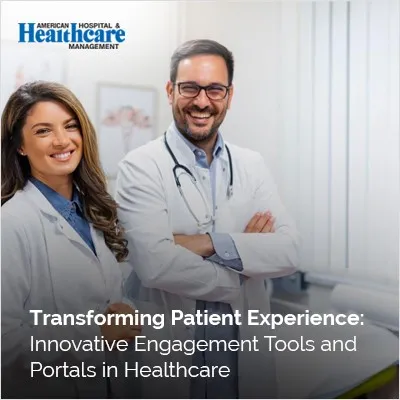
Patient experience is one of the core areas of focus in the dynamic and rapidly developing sphere of healthcare. Older patterns of relationships between a provider and a patient are transforming into new interaction technologies and patient applications that provide more options for communication and managing health. These are some of the technologies that are quickly changing the way patients approach their healthcare services. This article looks at how these tools are revolutionizing the patient's experience and enhancing the delivery of health care.
Concerning the definition of a patient portal, one can define it as a secure website that is given to the patients to allow them view their records. A patient can view his or her records through the labs, x-rays, operation theater records, and appointments in any computer that is online. The location of such information in patient portals makes it convenient for people to be more in charge of their health.
Other than patient portals, many tools have stepped up the ways through which patients engage with their doctors. Examples are available mobile applications, wearable gadgets, and telemedicine systems.
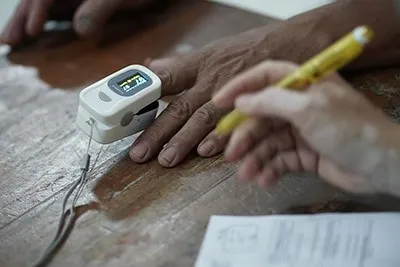
Mobile Health Apps: Mobile health applications generally comprises of features including medication alerts and symptoms recording, fitness and wellness assistance. Such apps could be extremely useful to patients with chronic illnesses to show and remind them of their progress as well as motivation. For instance, there are diabetic apps that help in tracking blood glucose levels and offer information regarding this upon compilation of the data.
Wearable Devices: Smart watches and other wearable devices are featuring broadly in the delivery of healthcare services. These devices track the patient's heart rate, physical movements, and other physical parameters in real time. They can help people detect diseases before they aggravate and make the necessary changes to avoid the health complications.
Telemedicine Platforms: This has however democratized access to care since patients can now seek the services of a particular healthcare provider without having to physically present themselves for a doctor's appointment. This can be enjoyable to those people who spend most of their time in the rural areas or those with mobility problems. Telemedicine apps perform virtual consultations and allow patients to receive a doctor's advice and a prescription without coming to the clinic.
The use of these tools in the routine healthcare delivery system is playing a role in developing an upbeat patient base. Engagement tools are a means through which patients are informed, and receive instantaneous feedback, which enables them to feel part of the process of their care. It can encourage patients to conduct interventions recommended by the healthcare providers, consequently resulting in better health system experiences and improved health status.
Personalized Care: Promoting tools assist with more individualized and specific treatment to the healthcare givers since they get to have extended information regarding the patient's health and behavior. Such knowledge can then be applied when prescribing treatments and therapy forms, thus increasing the effectiveness of the treatment plan.
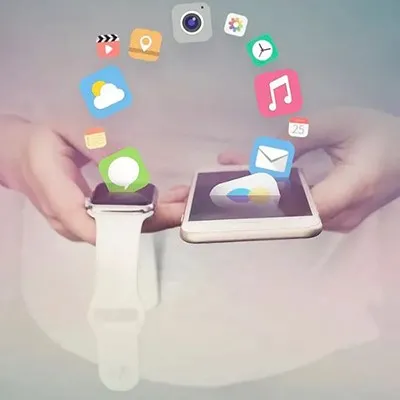
Education and Resources: It is common to have educational material and health information in associated patient portals and apps - the more the patients understand about their illnesses and the cures, the better. This in turn enables patients to make wise decisions concerning their health hence improving the quality of their lives.
Improved Communication: As systems of communication, engagement tools can indeed shine in as being a form of 'connecting' patients with their healthcare providers through various means like secured messaging and video consultations. It can also result to improved and timely treatment since, some problems may be solved without requiring face-to-face meetings with the healthcare provider.
As much as there is productivity in patient portal and engagement tools, there are challenges that ought to be looked at. Specifically, one has to pay attention to the protection of the patients' data since information disclosed on these platforms can potentially be private. However, the practical application is not possible for all patients due to discomfort or lack of means or access to technologies may then add to the disparities present in the healthcare sector.
Data Security: The medical facilities are required to ensure that patient's data cannot be accessed by individuals who are not authorized to do so. This covers acquiring such features as encryption, secure login procedures or frequently evaluating the extent of the organization's security.
Accessibility: What should be done is to continue finding ways to make sure that every patient using engagement tools will be benefited despite of their expertise in handling technological devices or devices owned. This may be in form of offering other means of speaking and encouragement to those who may be limited.
Electronic, mobile and other patient engagement tools and patient portal solutions, therefore, re-imagine the patient experience with increased access, satisfaction and efficiency. These technologies are thus promoting the patient involvement in their treatment processes, yielding better results, and satisfaction. In conclusion, with further rising of healthcare and refining these innovations the assignment and implementation of these instruments will be vital.
.webp)
Kate, Editorial Team at American Hospital & Healthcare Management, leverages her extensive background in Healthcare communication to craft insightful and accessible content. With a passion for translating complex Healthcare concepts, Kate contributes to the team's mission of delivering up-to-date and impactful information to the global Healthcare community.