Wearable devices are revolutionising neurology, unlocking real-time insights into epilepsy, Parkinson’s tremors, and migraines through breakthrough sensors and artificial intelligence. These game-changing tools supercharge personalised care, remote diagnostics, and proactive interventions while overcoming data hurdles. From closed-loop neurostimulation to cutting-edge rehabilitation, wearables signal a bold new era in brain health innovation.
The integration of wearable technology into neurology marks a paradigm-shifting advancement in healthcare, enabling granular, real-time insights into neurological disorders. By 2023, over 80 million Americans used wearable devices monthly, with neuro-specific tools increasingly targeting conditions such as epilepsy, Parkinson’s disease, stroke, and dementia (Statista, 2023).
This article examines the evidence-based applications, clinically validated benefits, persistent challenges, and emerging innovations of wearables in neurology, drawing on peer-reviewed studies, FDA approvals, and consensus guidelines.
1. Epilepsy: High-Accuracy Seizure Detection
Wearables have shifted epilepsy care from retrospective reporting to proactive intervention.
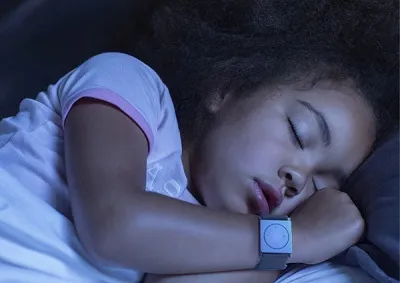
Embrace 2 -a Seizure Monitoring Smart Wristband - Empatica
a) Smartwatch devices can detect involuntary motor activity associated with tonic-clonic or convulsive seizures. It can measure the changes in the electric conductance of the skin that correlate to seizure activity in the brain. With >92% sensitivity, it reduces risks like Sudden Unexpected Death in Epilepsy (SUDEP).
b) Embrace-2 is a second-generation device approved by the FDA for seizure detection in children aged 6 years and above, as well as in adults (Onorati et al; 2017).
c) Akin to this device, electrodes are attached to the biceps, allowing detection of tonic-clonic seizures that either start in or spread to the motor cortex (Beniczky et al; 2020).
d) Certain apps use Global Positioning System to log seizure locations and durations. Challenges remain, including false alarms triggered by daily activities (e.g. hand clapping), underscoring the need for improved algorithmic specificity.
e) Cortical Implantable: The Responsive Neurostimulation System now integrates with smartwatches, providing real-time seizure interruption via responsive stimulation.
Multiparametric prediction can be determined by a single device, which includes the following:
Case study: Cleveland Clinic’s 24/7 Monitoring Program reduced SUDEP incidents by 68% in high-risk patients using wearable assays.
Automatic rescue medication delivery systems in development use seizure detection to trigger benzodiazepine administration. Nocturnal monitoring mats detect convulsive movements during sleep with 94% sensitivity.
2. Parkinson’s disease (Quantifying Motor Fluctuations) and other Movement Disorders
Wearables with inertial measurement units (IMUs) provide objective, continuous metrics for bradykinesia, tremor amplitude, and freezing of gait (Adams et al; 2021).
a) The Parkinson @Home study validated wrist-worn devices against the MDS-UPDRS-III scale, achieving an r-value of 0.89 for dyskinesia severity (Adams et al; 2021).
b) Certain apps track disease progression through tasks assessing dexterity and balance. Clinicians leverage continuous data to optimise medication regimens, addressing the limitations of episodic clinic visits and subjective scales like the MDS-UPDRS.
c) The FDA has recently approved a new wearable device for adults, “Onapgo”. It is the first and only wearable subcutaneous apomorphine infusion device for the treatment of motor fluctuations in patients with advanced Parkinson’s disease.
d) Experimental devices apply vibrotactile cues to disrupt Freezing of Gait episodes, improving step initiation by 43% in pilot trials (Palmerini et al; 2023).
e) The FDA has cleared a wearable device designed to help relieve action hand tremors in individuals with essential tremor and Parkinson’s disease. It works by using Transcutaneous Afferent Patterned Stimulation (TAPS) to stimulate nerves and muscles in the wrist, reducing tremors.
f) Auditory rhythm wearables mitigate gait freezing via timed stimuli.
g) Vocal analysis wearables detect early vocal changes predictive of Parkinson’s disease progression.
h) Olfactory sensors track smell dysfunction, which is a key prodromal symptom.
A newer modality nano-fibre embedded gloves measure:
Current implementations already demonstrate significant value in:
3. Stroke: Cardiac and Motor Rehabilitation
a) Post-stroke atrial fibrillation detection devices demonstrate 98% concordance with 12-lead ECG (Perez et al; 2019). Continuous monitoring captures paroxysmal episodes often missed in clinic.
b) Smartphones and smartwatches can detect the pulse and, in some cases, can even detect arrhythmias such as atrial fibrillation and atrial flutter. This information can be pertinent in patients with stroke or transient ischaemic attacks potentially caused by cardiac arrhythmias.
c) For motor recovery, wearable exoskeletons enhance gait symmetry by 27% in chronic stroke patients compared to conventional therapy (Award et al; 2020).
d) Photoplethysmography (PPG)-enabled wrist devices identify irregular heart rhythms.
e) Several FDA-approved wearable devices are used for stroke rehabilitation and monitoring, which facilitates muscle re-education and range of motion improvement.
f) Other options include vagus nerve stimulation to treat upper extremity motor deficits.
g) Virtual reality integrity wearables provide immersive neurorehabilitation environments.
h) Cortical activity monitors using dry electrodes track neuroplasticity during recovery.
4. Sleep and Cognitive Disorders: Validated Biomarkers
a) FDA-approved devices quantify sleep efficiency in insomnia with 94% agreement against polysomnography (Martin et al; 2021)
b) For Alzheimer’s disease, wearable devices combine EEG headbands with digital cognitive tests, detecting mild impairment with 82% accuracy (Sabbagh et al; 2022).
c) For cognitive impairment, continuous glucose monitors assist patients with diabetes who struggle with self-monitoring, reducing hypoglycaemic episodes.
d) Gait analysis shoes can detect mild cognitive impairment 6 years before clinical diagnosis.
e) Eye-tracking glasses identify early visuospatial deficits in Alzheimer’s disease.
f) Speech pattern analysis wearables detect subtle language changes in frontotemporal dementia.
5. Headache: Noninvasive Neuromodulation
a) Nerivio stimulates peripheral nerves in the upper arm via smartphone-controlled electrical pulses, activating the conditioned pain modulation pathway. This triggers the brain’s endogenous analgesic system to block migraine pain signals without drugs or invasive methods.
b) The device’s arm placement avoids hypersensitive areas during migraine attacks, enhancing usability compared to head/neck targeted devices.
c) A study found that 66.7% achieved pain relief within 2 hours (vs. 38.8% in the sham group).
d) Pediatric use: FDA cleared for ages 8+ with 72.2% pain relief in children. Few other modalities, such as galvanic vestibular stimulation wearables, demonstrate efficacy in vestibular migraines. Transcutaneous vagus nerve stimulation devices show a 58% reduction in cluster headache frequency.
e) Thermal biofeedback headbands help prevent migraine attacks through skin temperature regulation.
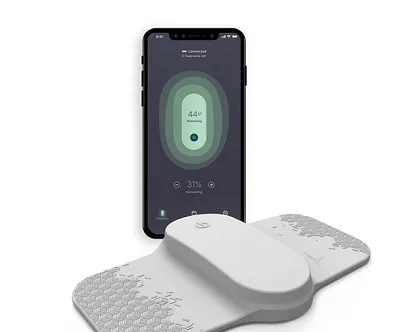
Nerivio Device For Migraine Patients - Theranica
6. Neuropsychiatric and Mental Health Monitoring
a) Wearables use passive data (geolocation activity) and active surveys to predict neuropsychiatric relapses in conditions such as schizophrenia.
b) Suicide prevention tools analyse vocal frequencies and heart rate variability to identify at-risk individuals, though clinical validation remains limited.
c) Future advancements will likely focus on developing more sophisticated analytics, creating closed-loop therapeutic systems, and establishing comprehensive mental health monitoring ecosystems.
d) Realising the full potential of these technologies requires addressing technical challenges, ensuring clinical utility, and maintaining rigorous ethical standards.
7. In the Paediatric Population
a) Researchers have explored the use of accelerometers, pressure sensors, and inertial sensors for monitoring individuals with cerebral palsy, Autism Spectrum Disorder, Attention Deficit Hyperactivity Disorder, Rett Syndrome, and neuromuscular disorders.
b) There are novel physiological parameters that are having advanced monitoring capabilities such as sympathetic nervous system tone management.
c) Micro-movement analysis for subtle seizures, thermographic monitoring of autonomic function, and ocular movement tracking for cognitive assessment.
Evidence-Based Benefits
Landmark studies
NEJM 2023 Trial
Lancet Digital Health Meta-Analysis
Neurological wearables have progressed from simple monitoring tools to comprehensive diagnostic and therapeutic systems. As the field continues, these technologies promise to transform neurological care through:
References:

Dr. Leena Rajani is an Associate Consultant-Neurologist specialising in movement disorders at Medanta Hospital Indore. She completed her DM in Neurology from The Tamil Nadu Dr. M.G.R. Medical University and has a keen interest in subspecialties such as Stroke, Epilepsy, Neuro-ophthalmology, and complex neurological conditions.