
The telemedicine integration into the healthcare systems across the United States as a way of using technology in delivery of medical services is gradually evolving. It increases patient’s satisfaction, decreases expenses of persons and their accessibility for people living in remote areas. Since there is always some limitation such as technical difficulties and privacy concerns, it is expected that telehealth enhances brighter and patient-centered healthcare for the future.

Today, the means of accessing healthcare has been revolutionized, especially in the recent past, by the coming of telehealth. Telehealth is defined as the provision of medical services and information through technology supported communication. What this innovation is doing to healthcare in America is making it easily accessible, efficient and patient friendly.
Telemedicine extends from the broad concept, and consists of products such as online doctor consultations, telemonitoring, and eHealth interventions. This means that patients can reach out to their healthcare providers by video and voice calls and text, meaning patients can access care without having to go to the clinic or hospital. This has been very effective and especially to those that live in the rural areas as the health facilities are few or far between.
Without doubt, one of the major advantages of telehealth is that it can gradually resolve the issue of scarcity of members of the healthcare profession. Before this telehealth, patients have a number of issues regarding their availability for medical services which include transport hitches, long hour waits or no time to waste in workplaces. Self-service reduces these barriers because the patient can book the appointment that best suits him/her and from the comfort of his/her home through telehealth.
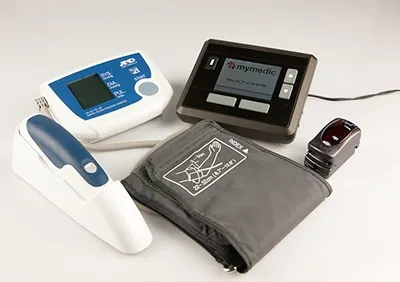
In addition, telehealth has been one of the most significant innovation for patients with chronic disease. This will allow the patients to check with their doctors as often as they require without the need to make an appointment to visit the healthcare office. It not only helps increase their health rates and impacts for the better but also increases their quality of life as well.
Telehealth also brings about the issue of saving the cost of patients and the healthcare system.
Face-to-face consultations might be costly since one has to move from one office to another, or take time off from other schedules. Telehealth benefits patients by different aspects of transport costs and time wasted due to illness and blurred working schedules. Further, the use of technological applications in delivering health care adds to organizational efficiency while removing pricey overhead expenses of physical office space.
Insurers have also wised up to the virtues of telehealth too, with more and more now using this new way to reach their target demographic. An advantage of many of those laid down plans is that many of them have now embraced the virtual visits to make it easier for patients to gain access to them without having to spend so much money.
Telehealth has also made significant changes to the role of consumption by patients in the sector. It put the patients in better position because they can make their own decisions and get lots of information on internet. The enhanced interaction ensures better patient and provider communication hence improvement of individualized client treatment. Most telehealth has incorporated functions like monitoring of symptoms, status update on health, and many facility for reminding patients of their medications or appointments.
At the same time, it must be noted that the provision of services through telehealth, encompassing its very extensive opportunities, is not without certain difficulties. Patients understood practical challenges as a barrier to the use of telehealth services include poor internet connectivity, or lack of access to devices. Furthermore, not all the illnesses call for telemedicine, and some patients prefer face to face contact with their doctors.
Privacy and security are also other key issues as to implementation of telehealth. There is a growing importance of the security of patient information and patients and providers should observe some risks likelihood from utilizing online health services.
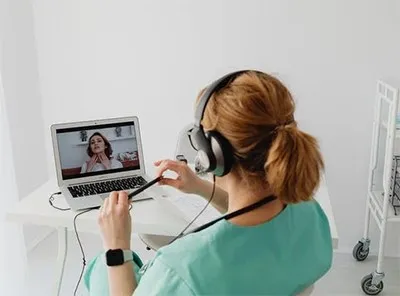
When it comes to the future of telehealth, all agree that with the fast development of technology in the upcoming years it will grow. The pandemic also spurred the use of telehealth services, and most patients and providers have accepted the change. The trend is expected to persist in the future due to continuous funding in telehealth technology and utilities. Therefore, telehealth today has become one of the causes of a new wave of changes in the availability of medical care in America.
Barriers have been lowered, costs reduced and by increasing and enhancing patient involvement, telehealth is helping people to better access the care they require. Nevertheless, the potential for application for telehealth is clear and current obstacles may fade paving the way to a more effective system for healthcare in the future.
.webp)
Kate, Editorial Team at American Hospital & Healthcare Management, leverages her extensive background in Healthcare communication to craft insightful and accessible content. With a passion for translating complex Healthcare concepts, Kate contributes to the team's mission of delivering up-to-date and impactful information to the global Healthcare community.