Cardiovascular diseases (CVD) and cancer, leading global causes of mortality, share common modifiable risk factors like tobacco use, unhealthy diet, and sedentary lifestyle. This review explores shared mechanisms, such as inflammation and oxidative stress, alongside disease-specific pathways, emphasizing prevention, public health strategies, and integrated approaches to mitigate their combined burden.
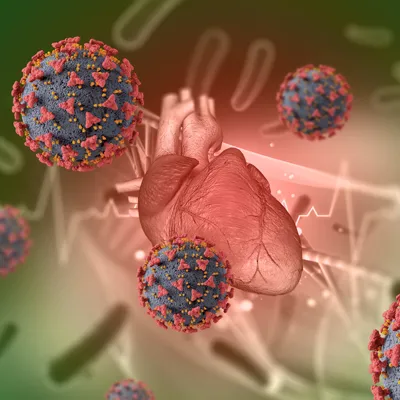
Cardiovascular diseases (CVD) and cancer are the two leading causes of mortality globally, jointly accounting for almost 40% of all deaths annually. While these conditions have traditionally been treated as distinct entities, increasing evidence highlights their shared risk factors and overlapping pathophysiological mechanisms. Key lifestyle behaviors, such as tobacco use, unhealthy diets, sedentary lifestyles, alcohol consumption, and poorly managed chronic conditions like diabetes mellitus – serve as significant contributors to the development and progression of both diseases. Age further amplifies these risks, acting as a universal non-modifiable determinant.
Understanding these shared and disease-specific risk factors is critical for developing effective prevention and management strategies. It also emphasizes the need for interdisciplinary collaboration between cardiology and oncology to address these intertwined health challenges.
This brief review aims to analyze the shared and distinct risk factors for CVD and cancer, focusing on modifiable lifestyle behaviors and the non-modifiable influence of age. It synthesizes evidence from large-scale trials and international guidelines to propose unified prevention and management strategies while acknowledging disease-specific considerations.
Tobacco use remains one of the most significant modifiable risk factors for both cardiovascular diseases and cancer.
Tobacco smoke contains over 7,000 chemicals, many of which are toxic and carcinogenic. These substances induce systemic inflammation and oxidative stress, damaging endothelial cells in CVD and causing DNA mutations in cancer.
Smoking increases low-density lipoprotein (LDL) cholesterol while decreasing high-density lipoprotein (HDL) cholesterol, promoting atherogenesis in CVD. Simultaneously, it creates a pro-inflammatory environment that exacerbates cancer progression.
Key Evidence: The Journal of Clinical Oncology reports that prolonged tobacco exposure increases the risk of lung, bladder, and oral cancers by up to 25 times compared to non-smokers.
An unhealthy diet is a major driver of metabolic dysfunction and chronic disease, influencing both CVD and cancer.
Diets high in saturated fats, refined sugars, and ultra-processed foods contribute to systemic inflammation, promoting both atherosclerosis and tumorigenesis.
Poor dietary habits are a leading cause of obesity, a shared risk factor for CVD and cancers such as breast, colorectal, and endometrial cancers. Obesity promotes insulin resistance and chronic low-grade inflammation, creating a favorable environment for both conditions.
Key Evidence: The INTERSALT study (BMJ, 1988) confirmed the detrimental effects of sodium on blood pressure, while the EPIC study identified red meat as a significant risk factor for colorectal cancer.
A sedentary lifestyle is a well-established risk factor for chronic diseases, including CVD and cancer.
1. Inflammation and Metabolic Dysfunction:
Physical inactivity exacerbates insulin resistance, obesity, and systemic inflammation, driving the pathophysiology of both CVD and cancer.
Key Evidence: The American Cancer Society links prolonged physical inactivity to a 25% higher risk of colon and endometrial cancers.
Guidelines and Recommendations:
Alcohol consumption impacts both diseases, albeit through distinct pathways.
Alcohol metabolism generates reactive oxygen species, leading to DNA damage in cancer and endothelial dysfunction in CVD.
Key Evidence: The American Cancer Society highlights a linear relationship between alcohol intake and cancer risk.
Diabetes significantly elevates the risk of both diseases through hyperglycemia, insulin resistance, and chronic inflammation.
Chronic hyperglycemia damages vascular endothelium in CVD and DNA in cancer cells. Elevated insulin levels promote cell proliferation, driving atherosclerosis and tumor growth.
Key Evidence: The UKPDS study shows that glycemic control reduces cardiovascular events, while its effect on cancer remains inconclusive.
Age is a universal, non-modifiable risk factor that significantly amplifies susceptibility to both cardiovascular diseases (CVD) and cancer.
Aging contributes to cumulative exposure to risk factors such as smoking, poor diet, and physical inactivity. It also exacerbates systemic inflammation and oxidative stress, which are central drivers of atherosclerosis in CVD and tumorigenesis in cancer.
Key Evidence:
CVD: Advanced age is associated with vascular stiffening, reduced endothelial function, and impaired repair mechanisms, increasing the risk of acute events like myocardial infarction and stroke.
Cancer: Aging increases the accumulation of genetic mutations, cellular senescence, and chronic inflammation, all of which contribute to tumor initiation and progression.
This review underscores the significant overlap in risk factors and mechanisms between cardiovascular diseases and cancer. Shared determinants such as tobacco use, poor diet, sedentary behavior, alcohol consumption, diabetes, and age highlight opportunities for integrated prevention strategies.
However, differences in pathophysiological pathways, such as vascular damage in CVD versus tumor-promoting mechanisms in cancer, require tailored interventions. Comprehensive lifestyle modifications and public health initiatives targeting these modifiable factors can substantially reduce the global burden of both diseases. Collaboration between cardiology and oncology disciplines is essential to optimize prevention, research, and care delivery.
1. World Health Organization (WHO) Fact Sheets on Tobacco Use, Alcohol, and Physical Activity.
Available at: https://www.who.int
2. European Prospective Investigation into Cancer and Nutrition (EPIC) Study.
"Dietary fibre in food and protection against colorectal cancer in the European Prospective Investigation into Cancer and Nutrition (EPIC): an observational study."
The Lancet. 2003;361(9368):1496-1501. DOI: 10.1016/S0140-6736(03)13174-1
3. INTERSALT Study.
"Intersalt: an international study of electrolyte excretion and blood pressure. Results for 24-hour urinary sodium and potassium excretion."
BMJ. 1988;297(6644):319-328. DOI: 10.1136/bmj.297.6644.319
4. UK Prospective Diabetes Study (UKPDS).
"Intensive blood-glucose control with sulphonylureas or insulin compared with conventional treatment and risk of complications in patients with type 2 diabetes."
Diabetes Care. 1998;21(6):706-719. DOI: 10.2337/diacare.21.6.706
5. American Cancer Society Guidelines on Nutrition and Physical Activity for Cancer Prevention.
"Guidelines on nutrition and physical activity for cancer prevention."
Available at: https://www.cancer.org
6. American Heart Association (AHA) Guidelines on Cardio-Oncology.
"Cardio-Oncology: Vascular and metabolic perspectives."
Circulation. 2022;146(3). DOI: 10.1161/CIR.0000000000001099
7. European Society of Cardiology (ESC) Guidelines on Cardiovascular Disease Prevention in Clinical Practice.
"2021 ESC Guidelines on cardiovascular disease prevention in clinical practice."
European Heart Journal. 2021;42(34):3227-3337. DOI: 10.1093/eurheartj/ehab484
8. ESC Guidelines on Cardio-Oncology.
"2022 ESC Guidelines on cardio-oncology: cardiovascular care of cancer patients and survivors."
European Heart Journal. 2022; 43(41):4029-4113. DOI: 10.1093/eurheartj/ehac244
9. American Heart Association and American Cancer Society Joint Recommendations.
"Collaborative care for managing cancer patients with cardiovascular complications."
Available at: https://www.heart.org
.webp)
Dr. Tora Sadigova holds a PhD in cardiology and specializes in researching the intersection of cardiovascular diseases and cancer. Her work focuses on shared risk factors, pathophysiological mechanisms, and interdisciplinary prevention strategies. She is dedicated to advancing integrated healthcare approaches and improving patient outcomes through innovative research and clinical practice.