Modern cardiac surgery uses the combination of minimally invasive procedures along with robotic precision and 3D printing and AI diagnosis and regenerative medicine therapies. Modern innovations make procedures more precise along with decreased operational times that produce better patient results. The continuing progress of technology enables heart disease treatment to adopt safe personalized noninvasive methods that establish a contemporary standard for global cardiac care.
Introduction
Surgeons today can execute heart surgery procedures by using precise methods that eliminate substantial invasiveness and result in minimal or no adverse effects on patients. Current medical technological progress has produced this futuristic concept into actual hospital procedures across the world. Various cardiac procedures undergo transformations through three technological innovations such as robotic-assisted surgery, 3D printing and artificial intelligence. Heart disease treatments through these innovations hold potential to optimize medical intervention for patients with reduced danger levels and shortened recovery duration. The following investigation traces revolutionizing progress within cardiac surgical practices which will transform heart disease medical treatment methods.
1. The Evolution of Cardiac Surgery: A Quick Look Back
Medical techniques of cardiac surgery have advanced in a substantial way beyond the basic practices of early times. The year 1952 marked the first open-heart surgery success but since that time surgery techniques have become dramatically advanced. The worldwide increase in heart disease cases continues to make conventional surgeries dangerous because they produce extended recovery durations along with post-operative medical issues.
The Need for Next-Gen Solutions
2. Minimally Invasive Heart Surgery (MICS): The Future is here
Heart surgeries performed traditionally require big incisions together with extensive recovery time. The technique of Minimally Invasive Cardiac Surgery (MICS) brings changes through its execution of small skin cuts utilizing precise instrumentation. What makes MICS a game-changer?
Key Benefits of MICS
| Advantages | Traditional Surgery | Minimally Invasive Surgery |
| Incision Size | 6-12 inches | 1-2 inches |
| Hospital Stay | 7-10 days | 3-5 days |
| Recovery Time | 6-12 weeks | 2-4 weeks |
| Risk of Infection | Higher | Lower |
| Pain and Scarring | More pain, larger scars | Less pain, smaller scars |
The medical field improves patient outcomes through minimal invasive procedures which include Transcatheter Aortic Valve Replacement (TAVR) and robotic-assisted surgery while lowering the number of complications and improving full patient care quality.
3. Robotic-Assisted Heart Surgery: The Rise of AI-Driven Precision
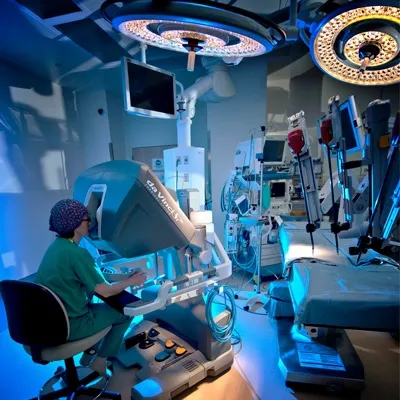
A robot enables skilled surgeons to perform precise heart surgery through microsurgical instruments which a surgeon operates remotely. Should robotic surgery be considered superior to surgical procedures done by medical professionals?
How Robotic Surgery Works
Advantages of Robotic-Assisted Surgery
The da Vinci Surgical System represents a notable robotic system which currently transforms cardiac surgery while setting the conditions for future adoption of such technology.
4. 3D Printing: Customizing Heart Surgery like Never Before
Surgery teams can now use 3D printed exact replicas of patient hearts to practice complex heart procedures before actual operations become possible because of 3D printing.
Applications of 3D Printing in Cardiac Surgery
The implementation of 3D printing technology in surgical procedures has conducted studies that prove both surgical time reduction by 30% together with major procedural accuracy enhancements.
5. Artificial Intelligence (AI) and Machine Learning: The Smart Heart Surgery Revolution
AI serves as a vital element which helps doctors make predictions and diagnoses and supports operations in cardiac medicine. Medical practitioners wonder whether automated systems will achieve superior surgical results than humans.
AI Applications in Cardiac Surgery
Medical professional benefit from Artificial Intelligence by receiving help to prevent surgical mistakes and by enhancing their choices while improving overall safety for patients.
6. Gene Therapy and Regenerative Medicine: The Next Frontier?
A surgical-free healing method for heart tissues exists within our realm of possibility. Scientists in gene therapy and regenerative medicine study natural approaches for activating heart cell regeneration.
Key Developments in Regenerative Medicine
Future developments show promise to make major surgeries unnecessary because they will direct medicine into biological healing.
7. Future Trends: What’s next in Cardiac Surgery?
Cardiac surgery will reach new boundaries due to multiple promising technological developments emerging in the future.
Future Innovations to Watch
Conclusion: Are We Ready for the Future of Heart Surgery?
Heart surgery continues to evolve at a fast pace through three key technological advances which combine robotic surgery operations with AI diagnoses and 3D printed tools. The purpose extends beyond operation safety toward total elimination of invasive interventions.
One fundamental question persists about the approaching future that combines heart disease management with full control over the condition. An endless variety of medical possibilities exists because the future of cardiac care continues to advance.
.webp)
Kate, Editorial Team at American Hospital & Healthcare Management, leverages her extensive background in Healthcare communication to craft insightful and accessible content. With a passion for translating complex Healthcare concepts, Kate contributes to the team's mission of delivering up-to-date and impactful information to the global Healthcare community.