As populations age globally, the concept of longevity is shifting from extended lifespan to enhanced quality of life through intentional design. This article examines how emerging ageing technologies are reshaping functional independence, cognitive vitality, and social participation in later life. It highlights the convergence of smart environments, digital health tools, and socially inclusive platforms that support autonomy while mitigating isolation and decline. Emphasis is placed on human-centered and equitable innovation, addressing challenges such as accessibility, ethics, and digital divides. Ultimately, the paper argues that a sustainable longevity society depends on integrating technological, social, and policy frameworks to reimagine ageing as an active and empowered life stage.
What does Longevity by design mean?
Longevity by design is the idea that longer, healthier lives can be intentionally created through the combined design of technology, environments, and social systems. Instead of treating ageing as a passive, inevitable decline, it views it as something that can be actively shaped.
Let’s imagine a city where every element of daily life is automatically optimised for long, healthy living from the moment a senior citizen wakes up to the time he sleeps. Let us step into a day in the life of Maria, a 67-year-old woman living in such a Longevity city.
As the sun rises, Maria wakes gently to her apartment’s soft lighting and optimal temperature, designed to align with her sleep cycle. Her smart mirror reminds her of her hydration and nutrient needs for breakfast, tailoring suggestions to her activity level and health data collected overnight.
On her way out, the streets greet her with smooth sidewalks, shaded benches, and safe crossings. An e-bike awaits automatically, or she chooses a quiet, step-free bus route mapped in real time for safety and comfort. Along the way, she passes gardens and parks that invite gentle exercise and social interaction.
At the community center, she joins a cognitive fitness class and meets friends in intergenerational spaces, keeping mind and heart engaged. Her health monitor alerts her of a slight blood pressure change; a nearby clinic schedules a check automatically, preventing complications.
Street lighting adapts to encourage safe walking at night. It’s time for Maria to go back home!
Evening falls, and her home transitions to a calming environment: adaptive lighting, soothing sounds, and gentle temperature control. Home automation reduces noise, regulates temperature, and supports restful sleep. According to a study entitled: A scoping review to explore the health, social and economic outcomes of home automation for people with disabilities, home automation could be a promising tool to support independent living, especially for disabled people. A reminder encourages a short walk or a meditation session. Maria reflects on her day, feeling nourished, active, connected, and autonomous, as she experiences a life enriched and extended by a city intentionally designed for longevity.
In a longevity-by-design city, the citizen is no longer responsible for fighting ageing alone, and the city itself becomes an active partner in sustaining life, health, and autonomy. From morning to night, every layer of the urban environment, housing, mobility, healthcare, public space, and digital systems is structured to support prevention rather than reaction, connection rather than isolation, and movement rather than decline. Ageing is no longer defined by loss of capacity, but by continuous adaptation supported by intelligent infrastructure and inclusive design.
For the citizen, this means living in a system where healthy choices are the default, not the exception. Walking is healthier than driving, prevention is easier than treatment, and social connection is built into everyday spaces. The result is not only a longer life, but also a more stable, dignified, and meaningful one across all ages.
The future of longevity-by-design is not a distant utopia but a gradual redesign of everyday life. It begins quietly, almost invisibly, as cities, homes, and technologies start to anticipate human needs rather than simply react to them. Ageing is no longer treated as a slow decline managed by healthcare systems at the end of life, but as a continuous process shaped by environment, behavior, and design from the earliest years onward.
In this future, the morning begins not with an alarm, but with an environment that understands the body’s rhythm. Light shifts gently to match circadian cycles, temperature adjusts to sleep quality, and digital systems interpret overnight physiological data to prepare the day ahead. A mirror offers simple, personalised guidance on hydration levels, nutrition suggestions, and activity recommendations without requiring effort or decision fatigue. Health is no longer something checked occasionally; it is something continuously understood in the background.
Outside, the city itself becomes a form of preventive medicine. Streets are designed for movement rather than speed, encouraging walking as the most natural mode of transport. Shaded paths, frequent resting points, and adaptive lighting make mobility safe at any age. Public transport is seamless, inclusive, and responsive, adjusting routes dynamically to reduce stress and cognitive load. Parks and green corridors are not decorative elements but essential infrastructure, woven into the fabric of daily life to reduce stress, improve cardiovascular health, and foster social interaction.
In this world, healthcare no longer begins in hospitals. It begins in homes, streets, and routines. Subtle changes in physiology are detected early by unobtrusive sensors embedded in daily environments. Instead of waiting for symptoms to escalate, systems flag early deviations and coordinate preventive interventions automatically. A rising blood pressure, a change in gait, or disrupted sleep triggers gentle, proactive responses: an appointment scheduled, a recommendation adjusted, a behavior nudged. Illness is intercepted before it fully forms.
But longevity-by-design is not only technological; it is deeply social. The future city is structured to reduce isolation as deliberately as it reduces disease. Intergenerational spaces replace age- segregated environments. Cafés, parks, and community hubs become nodes of continuous interaction, where relationships form naturally through shared activity rather than planned appointments. Cognitive engagement, physical movement, and emotional connection are embedded into daily routines, making social health as important as physical health.
At home, environments adapt continuously. Lighting, sound, and temperature shift according to emotional and physiological states. Homes become restorative systems supporting sleep, recovery, and mental balance without requiring conscious management. Technology fades into the background, acting less like a device and more like an attentive infrastructure.
Economically and politically, this transformation requires a shift in priorities. Value is measured not only in years of life gained, but in years of healthy, autonomous living preserved. Prevention becomes more valuable than treatment. Investment flows toward environments that reduce dependency rather than services that manage it after the fact.
In the future of longevity-by-design, ageing is no longer defined by loss, but by adaptation. Life is extended not simply in duration, but in quality, continuity, and meaning. The city, the home, and the digital ecosystem become silent partners in human well-being. And as these systems evolve, the boundary between health and everyday life begins to disappear entirely until living well is no longer an effort, but the default condition of existence!
References:
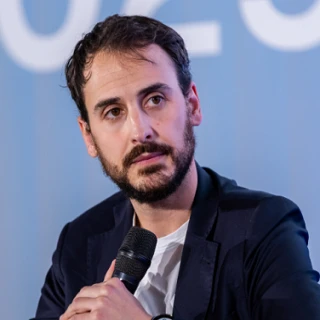
Lucas Perez is an international expert in AgeingTech and Longevity Society. He’s also the Medical Director at Life Plus, a company that sells smart devices and AI algorithms to assist people over 65 in their daily lives worldwide. Lucas hosts a leading European podcast exploring disruptive solutions in healthcare.