Heart Health 101: Lifestyle Changes to Reduce Your Risk of Heart Disease

Kate Williamson, Editorial Team, American Hospital & Healthcare Management

Cardiovascular disease is one of the biggest killers, although many people die from it; this can be avoided with changed habits. The information presented in this guide describes recommendations or steps on how to lower the risk of heart diseases, such as diet, exercise, weight control, smoking cessation, avoidance of alcohol, stress management, sleep, and measurement of vital statistics. It’s time to welcome all these habits for a healthy and long life.
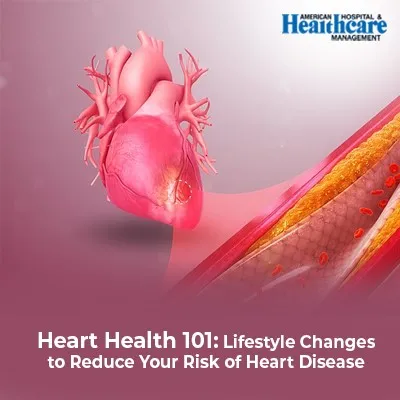
3D illustration of a heart with blood vessels, promoting heart health education.

Introduction:

Cardiac disease continues to take the lives of many people all over the world, notably reaching the United States. Despite this, most cases are pre-treatable through straightforward yet efficient strategies of alteration of life styles. Heart health is the key to a healthier life and developing new and healthier routines can experience a dramatic change for the long term. This guide will focus on straight forward ways and evidence based techniques that will help you maintain a healthy heart.

1. Adopt a Heart-Healthy Diet

Diet is a central factor in determining the state of your heart. It is to realize that there are foods that are good for the heart, and there are foods that make one more prone to heart disease. Here are key dietary changes to embrace:

  • Focus on Whole Foods: Consume more of fruits, vegetables, whole grains, nuts and seeds. Such foods enhance cardiovascular health, they contain nutrients such as fiber, antioxidants and healthy fats.
  • Limit Saturated and Trans Fats: : It takes high amounts of saturated fats that is in red meat, butter and cheese and trans fats that are found in processed products to raise the levels of bad cholesterol (LDL). Choose healthy fats to include olive oil, avocado, fatty fish such as salmon and other foods high in omega-3 fatty acids.
  • Reduce Sodium Intake: Sodium intake is associated with high blood pressure and that constitutes one of the risk factors to heart diseases. Use fresh produce at home and avoid taking foods that come along with high amounts of salts, and this includes most packaged foods.
  • Stay Hydrated: Hydration promotes general health and wellbeing and the same applies to your heart. Make sure you drink at least 8 glasses of water in a single day.

Pro Tip: Now it’s time to try the Mediterranean or the DASH (Dietary Approaches to Stop Hypertension) diets – they are healthy for the heart.

2. Stay Physically Active

Interest in exercise programs represents a strong predictor of cardiovascular health. It helps to strengthen the heart muscles, open circulation and control obesity. Here’s how to incorporate movement into your daily routine:

  • Aim for 150 Minutes a Week: Participate in some moderate aerobic activities such as walking, cycling or swimming, at least 30 minutes, five times in a week.
  • Add Strength Training: Weight workouts such as lifting weights or performing bodyweight exercises three times a week stimulates muscle mass and a healthy metabolism.
  • Make It Fun: Select hobbies you have passion in or some of the exercises like dancing, hiking, playing games etc.
  • Stay Active Throughout the Day: If you are in an office setting make sure that every hour you stand, stretch or take walks around the office. In addition, people encourage small bursts of activity that build up get over time.

3. Maintain a Healthy Weight

Obesity, especially abdominal obesity, raises the chances of developing certain cardiovascular diseases. Cardiovascular risks can be cut by losing as much as 5-10% of body weight. Here’s how to manage your weight effectively:

  • Combine Diet and Exercise: The absolute best approach to weight loss is taking controlled calories alongside engaging in routine physical activity.
  • Monitor Portion Sizes: Healthy dieting as we have seen can be easily derailed by overeating. Portion sizes should be reduced by opting to smaller serving plates and portion size, as well as gaining better understanding of hunger level and satiety level.
  • Avoid Fad Diets: This unfortunately was evident as any temporary absolution of a problem does not always guarantee lasting effectiveness. Concentrate on the right proportions, regular steady habits of eating.
  • Track Your Progress: Record in a diary or use an app to track what you eat and what physical activity you perform.

4. Quit Smoking and Limit Alcohol

Tobacco use and alcohol intake are regarded as inevitable causes of heart disease. Here’s why and how to make healthier choices:

  • Smoking: Every single puff erodes your blood vessels and boosts your blood pressure without fail. Smoking can be a factor in heart disease, so quitting may help the heart even if you have been a smoker for many years. Consult the counselor, use nicotine patches or gum, or participate in smoking cessation programmes.
  • Alcohol: Whereas, moderate alcohol consumption (say, a glass of red wine) are said to be good for the heart, heavy drinking raises blood pressure and cholesterol. Stick to recommended limits: daily 1 alcoholic beverage for women and 2 for men

5. Manage Stress Effectively

Stress causes various damage on the heart through raising blood pressure and encouraging wrong lifestyle, for example, eating more or smoking. Here’s how to keep stress in check:

  • Practice Mindfulness and Meditation: Activities such as taking a deep breathe, yoga or even meditation can help in relaxing your muscles and or lower the levels of stress hormones.
  • Stay Organized: Make daily checklist and carry out the tasks in order to avoid high level of stress.
  • Connect with Loved Ones: Interpersonal support is important to a person’s psychological health. Spend time with loved ones including the family and friends.
  • Engage in Hobbies: Spend some time in hobbies like painting, gardening or reading etc.

6. Prioritize Quality Sleep

It is at night that your body heals including the heart and blood vessels. Faulty sleeping patterns are associated with high blood pressure, obesity, as well as diabetes. To improve sleep quality:

  • Stick to a Schedule: Get a good night sleep and avoid changing the sleep timings regardless of the day of the week.
  • Create a Restful Environment: It is recommended to make your bedroom as dark as possible, at least as quiet, and quite cool. No devices screen at least one hour before sleeping.
  • Address Sleep Disorders: Illnesses such as sleep apnea can put pressure on your heart. People who snore heavily or notice increased daytime drowsiness should consult their doctor.

7. Monitor Your Heart Health

Such cruelties are avoidable if different examinations are made frequently to check on such issues. Here are the key metrics to track:

Regular check-ups can catch potential problems early. Here are the key metrics to track:

  • Blood Pressure: Normal blood pressure for adults is below 120 and 80 mmHg. What most people do not realize is that high blood pressure is among the enemies that are completely inconspicuous, and therefore requires hard work to keep in check.
  • Cholesterol Levels: Try to get your levels of LDL cholesterol – the ‘bad’ cholesterol – down, while raising the levels of HDL cholesterol – the ‘good’ kind. Tell your doctor about the results of your numbers.
  • Blood Sugar Levels: These changes in blood vessels lead to narrowing of blood vessels and hence contribute to heart disease in long run due to high blood sugar.
  • Weight and BMI: The right weight should be relative to height and age of an individual.

Pro Tip: Wear your activity trackers and install apps to monitor the rate of your heartbeat and your sleep cycle.

8. Stay Educated and Proactive

There is no better knowledge than that which concerns your health. Learn of the latest information on research findings, new treatment procedures and ways to manage lifestyle diseases. Read reliable health magazines, go to conferences or other informative meetings or start volunteering, join some health organizations.

9. Cultivate Healthy Relationships

Good relationship status is other key determinant of stress and health of the heart in people. It is important that people around you, your friends and family support you and remind you to stay active. Eventually, the formation of a good social relationship can equally offer one comfort in lean periods.

Conclusion:

Heart diseases are not rare, but what most people do not know that they are almost always preventable. It’s easy to keep your heart ‘young’ – By choosing to make positive changes to your lifestyle you can reap the benefits of a long fulfilling life free of the disease of the heart. It is necessary to begin with a smaller portion, be constant, and understand that each change in the diet better for the heart. Your heart is always working for you need to take care of it or reciprocate its effort.

Kate Williamson

Kate, Editorial Team at American Hospital & Healthcare Management, leverages her extensive background in Healthcare communication to craft insightful and accessible content. With a passion for translating complex Healthcare concepts, Kate contributes to the team's mission of delivering up-to-date and impactful information to the global Healthcare community.