
Psychedelic therapy with substance such as psilocybin and MDMA are being researched and for they are thought to have the possibility of treating mental health disorders like depression, anxiety or PTSD. Studies prove that the said substances help change the brain and alleviate pain in cases when conventional therapies are inconclusive. Nonetheless, the given approach can open a new chapter in the treatment of specific mental disorders in the future.
Recently, discussions in the treatment of mental disorders using psychedelic therapy have been arising regarding the efficacy of the method. It includes involving patients in therapies involving substances such as psilocybin (‘magic mushrooms’), LSD (lysergic acid diethylamide), and MDMA (ecstasy) as cure for various mental conditions. Although these substances have been hitherto linked to the hippie culture / partying / drug use, contemporary science is discovering their application for such severe conditions as, for instance, clinical depression, which have failed to respond to conventional treatments.
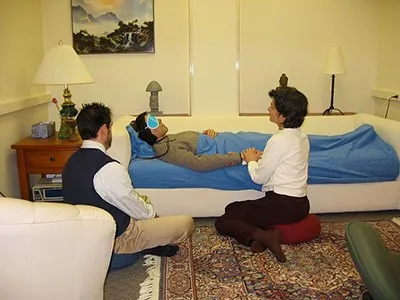
Psychedelic therapy is primarily defined as use of a limited quantity of hebephrenic substance to a client in a favorable environment. This setting is very critical in order to ensure the safety of the patient as well as ensuring optimal outcome of the therapy. The result of the process is in altering one’s way of perceiving reality, ways of thinking, and the ability to process emotions. This is the reason patients can be observed receiving visions, hearing voices and sounds, thinking profoundly and feeling part of the world. These experiences can assist people to address areas of the psyche with painful feeling, memories, and patterns that are at the root of a person’s mental health issues.

It is the overarching hypothesis of this current research that the therapeutic approach of psychedelics will affect brain function. Some studies have suggested that for some period of time, using psychedelics may disorganize the so called default mode network (DMN) that is involved in the construction of the self and self-related cognition. Since the DMN is disrupted, using psychedelic drugs helps the brain to create new connections and different patterns which are effective in changing one’s behavior or improving mood.
Rewiring effect for our purpose is very helpful for depression, anxiety, post-traumatic stress disorder (PTSD), addiction, and others, where patients caught in negative wires perpetually.
There are numerous research that shows that psychedelic therapy has benefits when it comes to treating of mental health illnesses. For instance, studies that have been carried out at the Johns Hopkins University in the United States and Imperial College in London have established that therapy involving psilocybin can bring about drastic decrease on the depression and anxiety indicators even in clients that were unresponsive to other therapies. Likewise, it has been evidenced that the MDMA-assisted therapy can also help in treating PTSD, some of the patients were able to gain relief and that their outcomes were sustained even after the follow up sessions. Such conclusions point out that psychedelic therapy could play a significant role as one of the treatment options aimed at mental health issues.
There are some difficulties which occur during the usage of psychedelics in therapy. However, there are several challenges which need to be discussed, one of them being the illegality of these substances. Psychedelics are considered to be controlled substances in many countries which means that one cannot use them, especially for recreational purposes and for therapeutic purposes. However, increased research has shown efficiency of the substances in question, and attempts to discuss the change in the legal status are being made. Also, the treatment entails the involvement of skilled practitioner to help his or her patient to go through the ordeal which equally time-consuming and expansive. It is also worth to point out possible risks and limitations because of that this type of therapies need to be controlled and only the appropriate patients would benefit from it.
Psychedelic therapy is gradually forming as a promising mental health care model as it shows more research and further trials in the future. With the society’s attitude changing and more research coming to the fore, psychedelic is expected to gain acceptance as a form of therapy for mental health. And indeed, certain measures have been made in some areas towards depenalisation or even legalization of some psychedelic substances for medical purposes which is a drastic turn for the policy and the society.
As psychedelic therapy is becoming more and more available, it may help tens of millions of people globally who have mental illnesses.
Psychopharmacological therapeutic use of psychedelic represents a promising advancement in the field of mental health disorder diseases where traditional treatment have failed. That said, there is still a long way to go since existing challenges point to the fact that psychedelics could significantly contribute to changing the paradigm of mental health care in the years to come and as the amount of published material regarding their potential grows, it will become increasingly difficult to disregard the value that they can bring. In our pursuit of realizing these properties of these compounds, psychedelic therapy posited to become a standard and fundamental tool in a mental health patient’s toolkit; bringing hope for those who are suffering across the globe.

Debi Jones, part of the Editorial Team at American Hospital & Healthcare Management, draws on her deep experience in healthcare communication to produce clear and impactful content. Her dedication to simplifying intricate healthcare topics helps the team fulfill its goal of offering relevant and influential information to the international healthcare sector.