In this article, new and increasing communicable diseases are outlined as emerging infectious diseases (EID) full of many ramifications for the health of the people. They come up due reasons like globalization, changes in the environment and behavior patterns of people among others. Surveillance, education and vaccination campaigns are important methods of approaching EIDs in the global level.
EIDs are infections which are associated with new or previously unrecognized pathogens that may or may not have the capability to cause communicable diseases. These diseases can be problematic to health systems in communities across the entire globe. The knowledge about EIDs is vital for these are the ones that trigger outbreaks and pandemics that affect the health of the world, and not economies and societies. In this article, we shall strive to answer the following questions: What has been considered as emerging infectious diseases? What might have occasioned such diseases? Some examples of the diseases and why we have to respond to such diseases in public health?
The common picture of EID one will think of is the diseases which are the re-emerging diseases or the diseases which are new diseases on the increase in incidence or emerging into new regions. These diseases may be of bacterial, viral, parasitic or fungal nature of etiology. EIDs can be zoonotic, that is they result from contact with animals, or they can be the result of changes in the ecological environment, or they can be as a result of interactions by human beings. Other factors that were established to be relevant causes of emergence and spreading of these illnesses included globalization, urban development and climate change.
Infectious diseases results from various factors. These include: the first one is environmental which involve disturbing such factors as deforestation which affects the habit and causes interference in the interaction between people and animals. It also amplifies the chances of transmitting the pathogens from animals to the people.
The other factor that can be named is globalization. The increase in mobility by individuals and cross-border commerce, commerce also presents a greater likelihood of disease transmission since a pathogen can almost as easily cross continents. Thus, urbanization is also important as people tend to live tightly packed in cities, and this greatly increases a likelihood of the disease spreading. It is also important to note that human behavior shifts cause EIDs. For instance, mechanization of farming, alteration of a fertile land use or pattern can facilitate humans to encounter new disease-causing organisms.
Also, when human and animals take more antibiotics, the germs and bacteria in diseases get resistant to the antibiotics; thus, diseases get harder to cure.
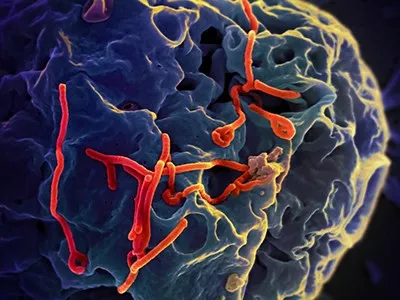
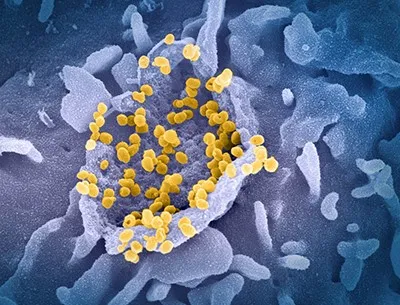
There is a list of some of the well-known EIDs, which over the years made the headlines. HIV/AIDS that originated in the later part of the Twentieth Century has been identified to be epidemic in nature, with scores of people worldwide reporting the disease. Ebolaviruses or simply Ebola is one of the exotic viruses categorized as highly pathogenic and is a member of the family Filoviridae it was first identified in year 1976 and the disease has prevailed always leading to fatal out break most especially in Africa. A recent example is COVID-19 viral disease caused by new corona virus abbreviation SARS-CoV-2 outbreak began in the year 2019 and swept across the globe drastically impacting health, economy and all aspects of life.
Epidemiology is a cornerstone of public health in addressing emerging new-spotlight infectious diseases. The possibility of early detection and early response is essential. Early detection to a situation that might lead to an outbreak is achieved through disease surveillance systems which track such patterns. This requires awareness expansion beyond the officially recorded cases to the environmental as well as animal health status.
Other methods used by public health officials includes doing sensitization. That way communities can be protected from the risks arising from new strains and diseases and through crusades such as those involving vaccination and hygiene practices.
Vaccination programs is another important element of community interventions to EIDs. Vaccines are effective measures against the transmission of infectious diseases, and efforts are being made to create vaccines for many of the newer organisms. Also, International collaboration is come into picture while managing EIDs since no disease is confined to geographical boundaries. International non-governmental organizations such as the World Health Organization (WHO) work to help coordinate effort across global borders.
New epoch diseases pose a major threat to public health they are infact ranked as threats to global health. The information about the causes and distribution of these diseases also help with the prevention and management of the disease. Surveillance, education, as well as vaccination and collaboration of other stakeholders are the major strategies used in controlling EID’s and indeed the health of the whole world. While the world advances, being aware and being able to respond promptly is going to be important in the fight against.

Harry Callum, a key member of the editorial team at American Hospital & Healthcare Management, consistently produces engaging and informative content. His ability to break down complex healthcare topics into easily understandable terms allows the team to effectively share timely and relevant information with healthcare professionals around the world.