As AI transforms healthcare, it also opens the door to sophisticated cyber threats. From ransomware to deepfake medical records, the risks are rising. This article explores the latest AI-driven cyber threats and the smart defenses now being deployed to secure sensitive health data in a high-stakes digital landscape.
Artificial intelligence is rapidly revolutionizing healthcare. From predicting disease outbreaks to personalizing treatment plans, AI systems now drive critical processes in hospitals and clinics worldwide. But as healthcare turns smarter, so do its attackers.
Healthcare has become the world's most targeted industry for cyberattacks. In 2024, healthcare represented 23% of all reported global data breaches, up from 18% the year before (Varonis, 2024). The reasons are clear: medical data is rich, permanent, and highly monetizable on the black market.
Ransomware remains the leading threat. In Q1 2025 alone, there were 158 ransomware attacks on healthcare organisations—a record high (Cadenaser, 2024). A survey by Sophos (2024) found that 67% of healthcare organisations were hit by ransomware in 2024, up from 60% in 2023. Alarmingly, 77% of victims paid the ransom.
In addition to ransomware, healthcare institutions face increasing threats from phishing schemes and third-party software vulnerabilities. According to IBM’s 2024 Cyber Threat Report, 44% of healthcare cyber incidents were traced back to phishing attacks that exploited unsuspecting staff. Many organisations have now recognised that employees remain the most vulnerable entry point for malicious actors. Advanced persistent threats (APT), often state-sponsored, have also been detected in hospital systems, indicating that healthcare is becoming a frontline of cyber warfare — not just a data privacy issue.
Moreover, as health systems adopt cloud infrastructure, improperly configured APIs and open databases have led to unintended data exposures. A 2023 study by McAfee found that 73% of hospital systems using third-party cloud vendors had at least one critical misconfiguration. The attack surface is growing — and AI is helping both defenders and attackers scan it at scale.
1. Change Healthcare Attack (2024)
The ALPHV/BlackCat group disrupted over 100 million claims and payments, affecting providers like CVS and UnitedHealth. Industry losses reached $100 million daily (Axios, 2024).
2. DaVita Dialysis Disruption (2025)
Ransomware impacted 28 clinics in Connecticut and over 2,600 nationwide. Sensitive patient data was potentially exposed (CT Insider, 2025).
3. HSE Ireland (2021)
This ransomware attack cost the Irish health system over €50 million and delayed cancer treatments for hundreds (BBC News, 2021).
4. Vastaamo Leak (2020)
A Finnish mental health clinic was hacked, with therapy records of 30,000 patients leaked online and used for extortion (Yle, 2020).
5. Medibank Breach (Australia, 2022)
A cybercriminal group stole the medical records of 9.7 million Australians — including sensitive mental health, addiction, and reproductive health data. The attackers leaked files on the dark web and demanded a ransom. Medibank refused to pay, sparking nationwide debate over breach response ethics and legislative reform.
6. EsSalud Peru (2023)
Peru’s national social security system fell victim to a ransomware attack that paralyzed patient services across Lima. Hospital administrators were forced to return to paper-based charting for over two weeks, highlighting the digital fragility of national health infrastructure.
AI is no longer just a tool for defenders. It's being used offensively:
In one recent case, cybersecurity researchers at Ben-Gurion University demonstrated how a malicious actor could intercept DICOM files during transmission and insert synthetic tumors into MRI images without detection. This type of tampering has implications not only for individual misdiagnosis but also for clinical trials, insurance claims, and even geopolitical sabotage.
Thankfully, AI is also our best shield:
To combat these rising threats, organisations must:
In the age of intelligent medicine, cybersecurity isn’t optional—it’s vital. AI will continue transforming healthcare, but without rigorous digital defences, these advancements risk being undone in seconds. The solution isn’t less AI, but smarter, ethical, secure AI. The cost of failure? Lives.
Looking ahead, international coordination will be essential. Initiatives like the Global Health Security Agenda and the EU’s EHDS (European Health Data Space) point to a future where cross-border cyber cooperation is as important as clinical collaboration. Healthcare is no longer local—it’s global, digital, and under threat. Governments, providers, and innovators must move in sync to protect what matters most: trust.
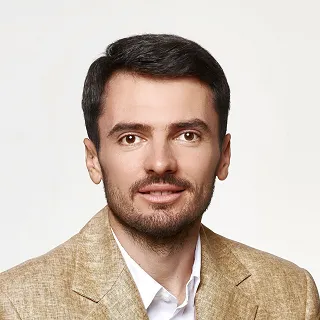
Denys Tsvaig is the CEO & Co-Founder of DeHealth, a global AI-powered health super app. He is a Cyber War Strategist and a recognized expert in global healthcare, cybersecurity, and blockchain technologies. Denys also serves as the President of the National Cybersecurity Association. With over 15 years of experience in the tech industry, he is the author of The Third World Cyber War and a contributor to HackerNoon.