A chronic illness is a long term health condition that impacts millions of people in the United States, the livelihoods, and the health care facilities. Possible interventions for better management and support include modification of patient behavior, early prevention, Most of the times, mentally health support, patient enlightenment and invention. The following is the discussion on how the quality of people who suffer from long-term illnesses could be improved.

Diseases of the heart and diabetes, arthritis diseases, and respiratory diseases have become diseases that are familiar to approximately sixty percent of US adults. These diseases are chronic and need constant medical care hence depriving people the ability to lead fulfilling lives. Holistic care of a chronic illness extends beyond symptom relief since people also have emotional and functional needs. There are things that enable people with such disorders to be better equipped to live normal lives, have fewer expenses on the health care system and in general have a better quality of life.
In the context of chronic disease, early diagnosis and prevention should be the most appropriate ways. This means that early checks up and screening helps reveal cases that one is likely to develop serious diseases or conditions later. For instance, detection of pre-diabetes or pre-hypertension allows people to adopt behaviors that do not facilitate development of fully-fledged diseases. Vaccinations and health education are part of the preventive aspect that needs to be put in practice to reduce the future drawbacks of chronic disease.
Self-management of the disease requires the adoption of various healthy behaviors in dealing with chronic illness. Lifestyle modification is one way of promoting healthier living among people with chronic diseases since diseases can be managed through diet modifications, increase in physical activities, healthy behaviors and other factors. For example, persons with diabetes optimize to take foods that are rich in fiber, lean protein, whole grain and foods that contain little sugar. Healthy workouts including walking, yoga or swimming need to be adopted in the management of one’s weight, mental health and complications. Abstinence from smoking and moderation with alcohol also have significant roles with regards to slowing down disease development as well as enhancing well-being.
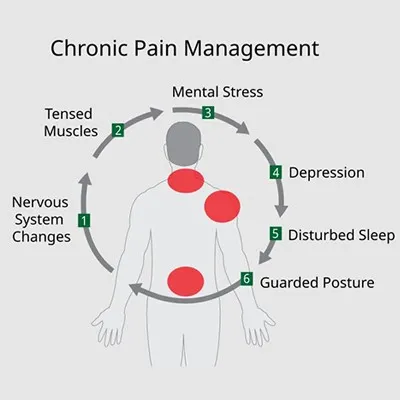
Long term illness has a way of affecting the mental health of an individual.
Patients often develop anxiety, depression or helplessness due to ongoing health management responsibilities. Mental health, therefore, has to be managed as one of the very important aspects when managing chronic illnesses. Counselling from the therapists, counselors and support groups can go a long way to alleviate the stress burdens arising from chronic diseases. For example, cognitive-behavioral therapy works by changing one’s thought process allowing the patient to deal with stress associated to the disease.
Patients are made aware of the status of their health hence taking charge of their own lives by receiving adequate education about their situations. Behavioural techniques help someone to regularly assess his/her symptoms, to adhere to prescribed medications and dosages, and to schedule daily activities based on the availability of energy or the presence of discomfort. For instance, clients suffering from asthma adapt to monitoring the causes of the condition and how to administer an inhaler correctly; people with arthritis adapt to exercises that are less painful on their joints. Educational material and healthcare professionals who are able to narrate the management plans comprehensibly must be availed for chronic illnesses.
The development of technology has rated this management of chronic diseases a success. Other technologies including wearable technology devices, mobile health apps, and telemedicine services give patients an opportunity to monitor their vital health signs, set their appointments and even consult with physicians from the comfort of their homes. This is because wearable devices can track and record the heartbeat rate and blood glucose level together with the level of physical activity of the patient in real-time both from the side of the patient and the doctors. Telemedicine has proven as an effective form of practice in rural areas or at places where mobility is a constraint; patients do not have to visit the doctors frequently to modify the treatment plans.
Surrogate roles of a family and a caregiver are vital to the disabled and patients suffering from chronic diseases. Intangible interventions are important in helping the patients including giving them warm words, helping them do their daily chores and reminding them to follow their doctors’ advice. The appropriate support from the family members, friends, and other related local organizations or institutions guarantees that the diagnosed person does not have the feelings of loneliness or feel that he/she is overwhelmed by the disease.
Family caregivers also need support since it is not easy to care for another person who has a chronic illness.
Some of the patients who have chronic diseases, decide to adopt the allopathic medicine along with other medicines such as acupuncture, meditation or massage therapy among others.
These approaches are also useful in the management of pain and stress thus improving the health of the individual. For example, patients with chronic pain will receive acupuncture therapy and medicine while patients with stress should embrace meditation since it influences those mental clearness. This information shows that these techniques if used together with the conventional treatment intervention strategies can be useful in managing chronic diseases since they presents an all – round approach.
In general, the public health policies enable the effective management of the growing trend of chronic diseases in America in all the ways possible. Other measures that can be taken to reduce it include; providing health insurance promotion campaigns to help improve its access, promoting healthy living with a view of reducing obesity through promoting health conscious living like proper dieting among others. Moreover there are major changes in policy that there is more insurance to meet the costs of preventive care, mental health, care services, and an online care that would ensure the patient has the necessary support to be managed in the long-run.
Dealing with a chronic illness is one of the major problems in present day America but with well-defined strategies, the patients can improve the quantity and quality of their life even when they are ill. Early diagnosis and timely medication, counseling on diet and exercise, psycho social support, awareness among patient and the public, all the available technologies also plays a major role in the management of chronic diseases. In the same regard, support networks, integrative medicine and advocacy ensure that patients with chronic diseases are well catered for. Consequently, patients can also manage the paradigm shift of chronic disease on the continued base, the same goes for the health care systems.

Harry Callum, a key member of the editorial team at American Hospital & Healthcare Management, consistently produces engaging and informative content. His ability to break down complex healthcare topics into easily understandable terms allows the team to effectively share timely and relevant information with healthcare professionals around the world.