There is a problem with senior healthcare in the U. S. with the increasing aged people. Some of the challenges include escalating costs of medical expenses, higher need for extended care, psychological problems, and stress on care givers. Addressing these requires policy reforms, enhanced Medicare funding, investment in health technology, and expanded mental health and social services.
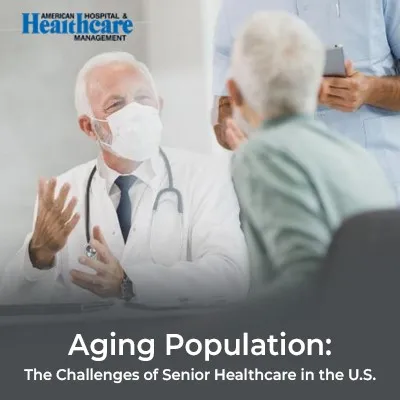
One of the biggest challenges that the US health care system is experiencing due to the increasing age of the population is linked with the increase of elderly persons. The proportion of people aged 65 and above is also projected to grow to about 23 percent in 2060 and can also cost more in health care needs, care and other necessities that may fit into this category. This incidence presents several difficulties, they include the handling of long-standing diseases, the question of the cost of treatments, and the general quality lifestyle of elderly people.
People also develop more illnesses such as heart complaints, diabetes, arthritis and demential as they grow old. Technological facilities prove more costly to the health facilities and often seniors demand more follow-ups, specialized care and regular follow-ups that are definitely expensive to the health facilities. There is a feeling that a lot of attention is being placed on elderly people and hospitals, clinics, and primary care physicians all are getting overworked. Such demographic change also demonstrate emphasis on geriatric care as a sub- specialty that deals with ailments affecting senior citizens. Nonetheless, there is a lack of human resource in the healthcare centre especially doctors who specialize in geriatric medicine.

Even though there are many problems that affect the elderly, one significant problem that affects the care for the seniors is the high costs of health care. The elderly in the United States are crippled with low and stable income and depend on Medicare which is a federally-funded health insurance for the senior citizens. Despite the fact that Medicare is made to provide for all the medical expenses that an individual is likely to incur, there are various expenses that are not catered for by Medicare. Most extended care like assisted living for the elderly and those needing nursing home care do not get covered by Medicare. Consequently, they’re becoming economically stressed when paying for the long-term care services or strictly using personal money to pay for prescriptions, equipment, and home attendants, among others. Due to escalating costs only a few elders get the healthcare they require, and the rest are forced to live in worsening health situations.
The following depicts how several elderly people need long-term care to support them in handling many basic necessities such as bathing and dressing, feeding among others and administering medicine. Like nursing homes, assisted living, and in-home care services which are all necessity to enable the function for individuals who are incapacitated to care for themselves. But as it is well aware, many of these services are costly and financially beyond the reach of many seniors especially if they don’t have long term care insurance. Further, the need for long-term care facility and service will increase in the future; however, the services of long-term care are questionable in terms of productivity and quality.
Most centers lack adequate human resource, and the personnel that attend to the elderly are overworked making the quality services them receive poor.
Another important issue of the aging population is the mental health problems. Anxiety, depression, and conditions such as Alzheimer disease among the senior citizens are common as these people age. The above aforementioned problems are however compounded by social isolation, which is more prevalent among the older population. Most of elderly people are single, or are not living with their families because they might be separated geographically or financially. It thus results in loneliness, depression, and the general deterioration of one’s quality of life. Sources such as community based programs, senior centers, and social services serve as the major approach that helps the elderly to remain connected but these services lack adequate funding or may not be available to seniors.

Family caregivers are the back bone of delivering care to the elderly. But the roles can be physically and emotionally stressful, and there’s an increasing scarcity of professionally trained caretakers. Unfortunately, family members - the major carers being relatives – may experience financial burden, stress and fatigue. This stress is deeply felt by women since most of the family caregivers are women in the United States of America. Today, health consideration for elder persons requires policies and other support instruments since the number of families carrying out this role affects their health as they struggle to take care of the elderly.
To overcome the challenges of senior healthcare, therefore, there is need to make major policy and healthcare reforms. Making healthcare more available and affordable, enhancing Medicare’s funding and supporting services to assist with long-term care are some of the measures that should be taken so that seniors are able to get the required care. Also, measures like investing in the health technology can make healthcare more accessible for seniors especially those in rural areas and those who are already struggling to see a doctor physically.
In addition, there is a requirement for advocacy for mental health services and social programs that seek to fight senior loneliness. Policy makers should also pay much attention on the training and sourcing of quality health care workforce, adequate number of health care professionals, specifically those specialized in the care of the elderly to cater for increasing population of the elderly.
Self-organizing from chronic diseases and increasing healthcare expenses, long-term care and mental health problems are all challenges that seniors encounter. Given the increasing population of elderly people, one has to pay much attention to strategies and prospective changes in the health care system and continual improvements which would allow to satisfy their needs and provide them with a high quality life. Ensuring that better social supports for the seniors as well as their informal caregivers will emerge as critical to managing the new challenges for senior health care.
.webp)
Kate, Editorial Team at American Hospital & Healthcare Management, leverages her extensive background in Healthcare communication to craft insightful and accessible content. With a passion for translating complex Healthcare concepts, Kate contributes to the team's mission of delivering up-to-date and impactful information to the global Healthcare community.