Nanotechnology is revolutionizing healthcare by enabling advanced treatments like targeted drug delivery, disease detection, and gene therapy. Innovations such as nanorobots, quantum dots, and nanostructured vaccines are improving diagnostic accuracy, reducing side effects, and enhancing treatment efficacy. This technology promises personalized, efficient, and faster healthcare solutions globally.
Nanorobots named nanobots are small robotic tools that can do very fine work inside cells or molecules. The tiny robots can move within your blood vessels to transport drugs straight to specific cells making medical treatments work better. Nanorobots would transport cancer medicine directly to tumors during therapy which helps stop the medicine from hurting normal cells and makes side effects fainter.
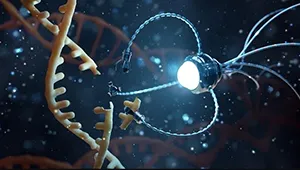
Nanobots help doctors perform easier surgeries by fixing injured tissue and draining obstructions inside the body. Because they are tiny robots they can move easily through natural body routes making surgery smaller and shorter for the patients. The nanobots come with medical testing systems that check for biomarkers continuously to find diseases before it is too late for treatment.
Quantum dots are tiny nanoparticles that show their own special light response behavior. Engineering-specific light radiation from these particles through stimulus input makes them excellent diagnostic equipment. Using quantum dots helps medical scanners find cancers and other health problems at high levels of detail. These light-emitting particles with small sizes improve how well imaging systems work to find small abnormalities when looking at cells.
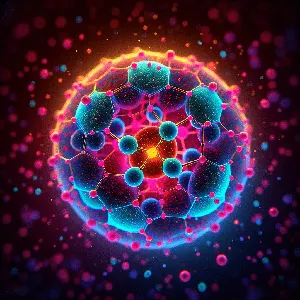
Quantum dot technology helps improve both medical imaging and fluorescence diagnosis procedures to detect diseases earlier. Quantum dots help doctors spot health problems beyond cancer by diagnosing infections and neurological diseases.
Nanotechnology makes major changes in vaccine production by helping us create nanoparticle-based vaccines. Vaccines with nanostructured materials improve how antigens are delivered to the immune system and strengthen immunization response. Particles made at nanoscale help the immune system fight pathogens vigorously without making the patient sick.
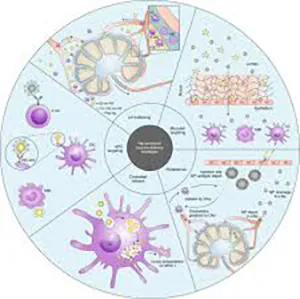
Nanotechnology advances vaccines through its use of lipid nanoparticles (LNPs) to deliver nucleotide content in Pfizer's and Moderna's COVID-19 vaccine models. LNPs enable the safe transfer of mRNA to cells so they can develop an immune response. Nanotechnology has speeded up vaccine development while creating methods to produce vaccines quickly and deliver them precisely to areas where new infectious diseases appear.
Theranostics represents a growing medical method that links treatment and diagnosis into one nanoscale device to support personalized patient care. The technology combines three functions into one device to discover disease while sending therapy directly to its target and monitoring its healing journey. Theranostic technology holds great potential to help doctors detect and treat cancer early while tuning treatment to individual patient needs.
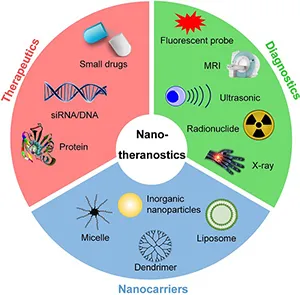
Real-time diagnostic feedback from theranostic devices helps doctors make better treatment decisions at any time based on patients' medical condition updates. Compared to standard care this individual treatment strategy helps patients recover better while reducing side effects.
Nanotechnology helps researchers deliver CRISPR-Cas9 tools for successful gene therapy. CRISPR helps scientists make accurate gene fixes at DNA level to correct genetic diseases. Research teams need nanotechnology to address problems with delivering CRISPR components safely to cells.
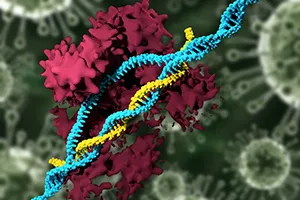
Nanoparticles function as delivery tools for CRISPR which send gene-editing tools into selected cells without interfering with healthy tissue. Scientists create nanoparticles that hold CRISPR components including Cas9 protein and RNA guide which they can guide to precise targets within the body to make gene therapy better and safer. CRISPR technology and nanoscale methods show substantial promise for medical use to cure diseases including cystic fibrosis, sickle cell anemia, and muscular dystrophy.
Nanomaterials that replicate enzyme processes are known as nanozymes. Their enhanced stability and efficiency at lower costs make nanozymes important tools for many medical applications. Nanozymes help reactions take place and spot medical conditions by sending chemical cues while also helping the body destroy harmful materials.
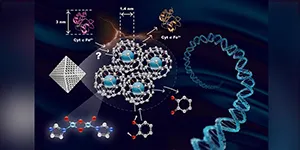
Nanozymes show their value by fixing enzyme problems in human bodies. When patients lack essential enzymes because of their medical condition, nanozymes help them regain normal enzyme processing leading to better health outcomes. Medical research uses nanozymes to destroy molecules that help tumors grow while looking at ways to help treat cancer patients.
Nanotechnology brings new treatment options for various eye disorders to ophthalmology. The main way nanotechnology helps eye treatment involves delivering drugs through tiny nanoparticles. Specialized nanoparticles help medical treatments reach the retina better which improves results for patients with macular degeneration and diabetic retinopathy.
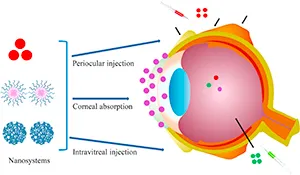
Scientists are creating nano-coated contact lenses to provide steady drug access to the eyes while safeguarding against sunlight damage. These smart lenses let medication be delivered slowly into the eye in a way that does not require surgery.
Researchers see great potential for carbon nanotubes in neurology because of their electrical and physical traits. They apply these cylindrical nanostructures to enhance neural implant conductivity which helps treat problems such as Parkinson's disease, epilepsy, and spine damage.
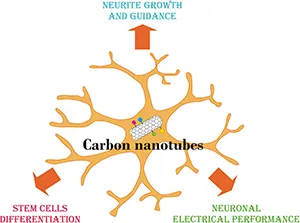
Scientists use carbon nanotubes to study how they might fix damaged nerves in the brain. They link nerve cells together to allow better transmission of information which helps patients with neurological issues rebuild lost functions. Scientists are excited to use carbon nanotubes in neurology because their discoveries could help improve health for neurological patients throughout the world.
Nanotechnology helps treat wounds better through smart bandage technology. Special bandages come with nanosensors built inside that watch the healing process and show us important details about the wound. Smart bandages include special devices that automatically release medicine to help the wound heal more quickly while preventing infections.
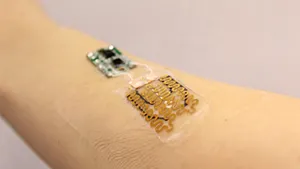
The new technology shows its greatest impact when treating persistent diabetic ulcers because it works better than regular medical treatments. This advanced wound technology delivers better treatment for patients through fewer dressing changes and leads to better wound healing results.
Dermatologists find many potential uses for nanotechnology to treat skin problems and improve cosmetic products while making them more effective. Using nanoparticles, doctors can better apply skin cancer therapies while resolving mild to severe skin issues including psoriasis and acne. The nanoparticles can enter the skin more deeply through its protective layer to help treatments work better.
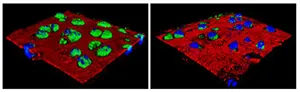
New cosmetic products use nanotechnology to boost how well their products prevent sun damage and reduce signs of aging while keeping skin hydrated. Scientists use nano-encapsulation methods to build better and more resilient sunscreen protection against ultraviolet rays.
Nanotechnology develops new medical technologies beyond dental and healthcare fields. Medical experts use nanoscale elements to make dental implants that fight bacteria plus stronger materials to enhance tooth fillings. Nanoelectronic devices help people with chronic conditions to monitor their glucose cholesterol and oxygen levels continuously.
Nutrition experts use nanotechnology to make nutrient capsules that enhance food and supplement intake. Nanomedicine holds practical benefits for making it easier to deliver important nutrients to people who struggle with absorption issues.
Nanotechnology helps healthcare do better disease detection and management work while making diseases more preventable. Bioengineers use nanorobots for surgical tasks while using nanoparticles to upgrade drug distribution systems according to research findings. Nanotechnology keeps developing to build better healthcare that improves treatments and enhances lives globally.
.webp)
Kate, Editorial Team at American Hospital & Healthcare Management, leverages her extensive background in Healthcare communication to craft insightful and accessible content. With a passion for translating complex Healthcare concepts, Kate contributes to the team's mission of delivering up-to-date and impactful information to the global Healthcare community.